Design
Office Fit Out Process Guide Step By Step (2026)

Images AI Spaces | Project Warner Music
A Complete Guide to Commercial Office Design and Fit Out
Commercial office design is more than just creating a visually appealing space, it is about aligning workplace functionality with organizational goals. When businesses invest in commercial office design and fit out, they address productivity, employee satisfaction, and long-term operational efficiency. This guide provides a structured approach to planning, designing, and executing fit outs that deliver both performance and aesthetic value.
What Is a Commercial Office Fit Out?
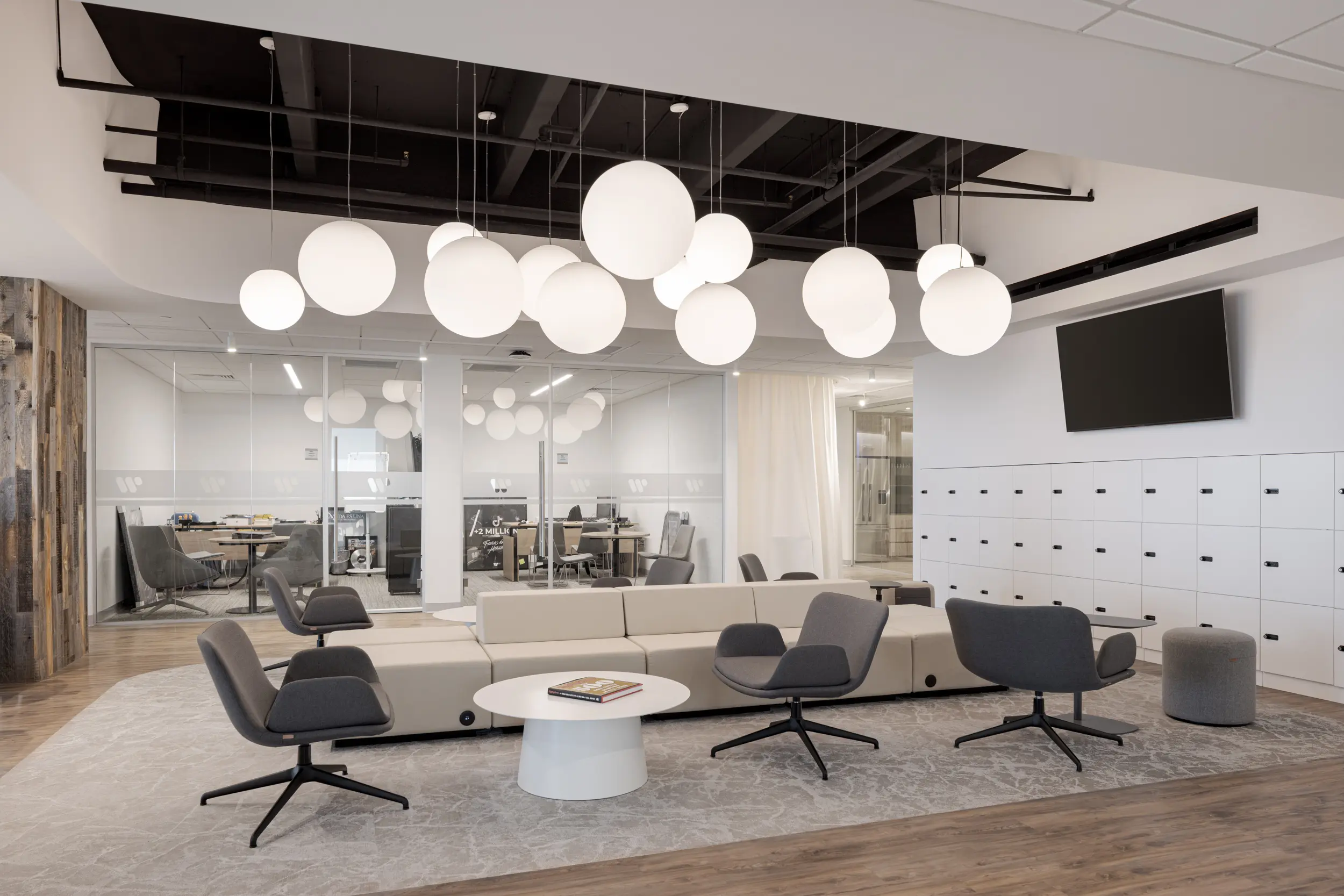
A fit out refers to the process of making an interior space ready for occupation. In commercial real estate, this typically involves tailoring a base building to the tenant’s operational and branding needs. Fit outs usually include:
- Space planning and layout
- Mechanical, electrical, and plumbing systems (MEP)
- Lighting, flooring, and finishes
- Workstations and furniture
Key Phases of Commercial Office Design and Fit Out
1. Strategic Planning
Organizations must define clear objectives: functional requirements, employee capacity, and workflows the space should support. Strategic planning ensures the fit out aligns with both immediate and long-term business needs.
2. Concept Design and Space Planning
Architects and designers develop layouts that maximize efficiency while reflecting brand identity. Considerations include balance of open vs. private spaces, collaboration hubs, and accessibility compliance.
3. Technical Design and Engineering
Design is translated into technical specifications covering HVAC, lighting, IT infrastructure, safety standards, and sustainability measures.
4. Procurement and Construction
With plans approved, contractors manage procurement, oversee timelines, and ensure quality control throughout construction.
5. Handover and Occupancy
The final stage involves inspections, snagging, and commissioning to ensure systems are operational before employees move in.
Best Practices for Successful Fit Outs
- Involve stakeholders early: Engage leadership, employees, and IT teams.
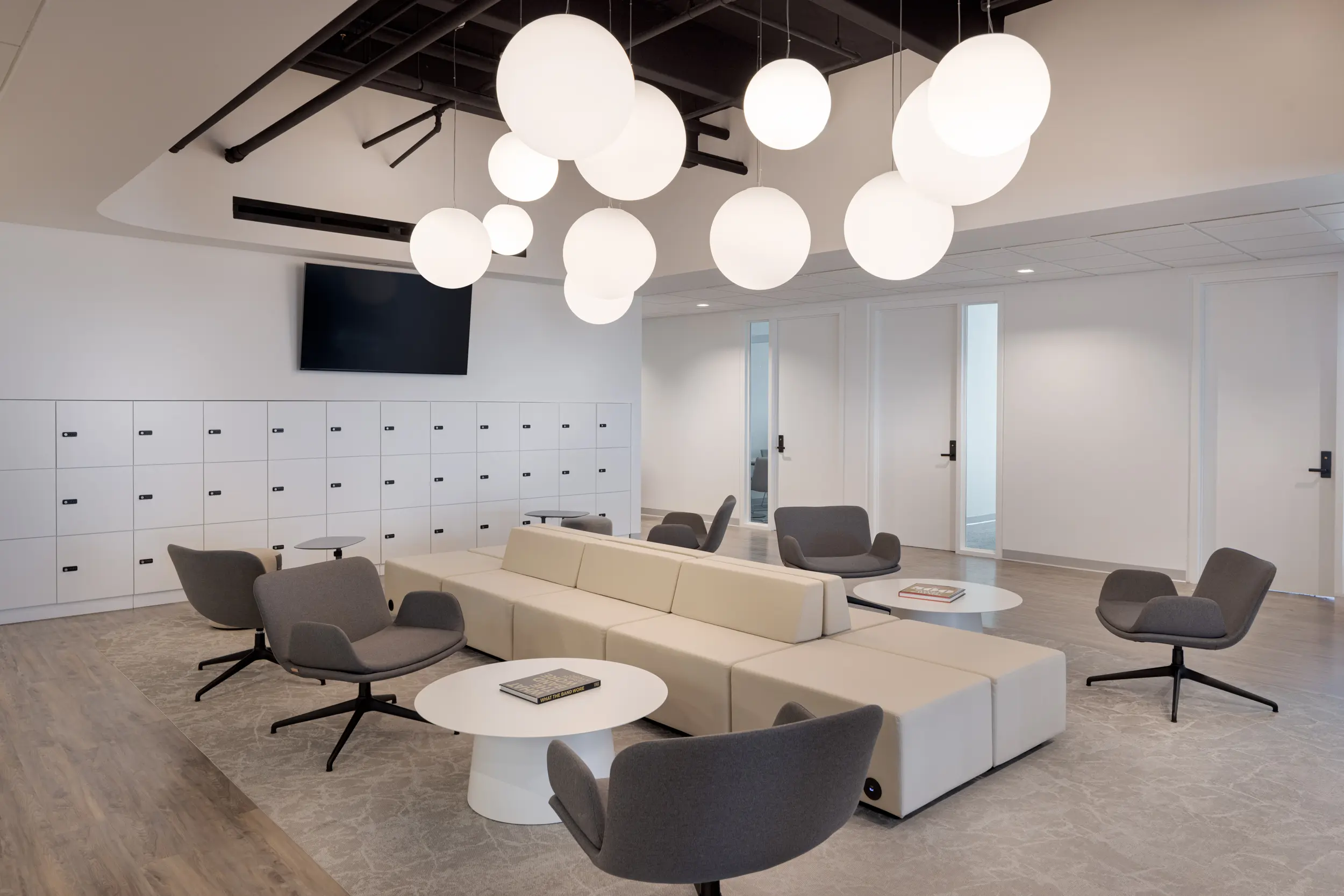
- Prioritize flexibility: Modular furniture and adaptable infrastructure are key.
-
- Integrate branding: Finishes, signage, and layouts should reflect identity.
- Focus on wellness: Natural light, biophilic elements, and ergonomic design boost morale.
- Control costs: Value engineering balances quality and budget.
Common Pitfalls to Avoid
- Underestimating timelines—approvals and procurement delays can extend schedules.
- Ignoring acoustics—open offices require careful sound management.
- Over-customization—bespoke solutions may reduce future flexibility.
- Lack of change management—employees need communication and support.
Trends Shaping Commercial Office Design
- Hybrid work integration: Spaces designed for both remote and in-person collaboration.
- Sustainable design: Certifications like LEED and WELL are becoming essential.
- Technology-enabled workplaces: Smart sensors, touchless systems, and AI planning tools.
- Hospitality-inspired offices: Workplaces that feel welcoming and experience-driven.
Conclusion
Commercial office design and fit out projects are opportunities to align physical spaces with business strategy. By following structured processes, engaging stakeholders, and embracing modern trends, organizations can create offices that enhance productivity, reinforce culture, and support growth.
Related Articles You May Find Helpful
Complete Process Guides
- What is an Office Fit-Out? The Complete 2026 Guide to Costs, Timelines, and... — a complete 2026 guide to fit-out costs, timelines, and mistakes.
- From Empty Shell to Signature Workplace — how a fit-out turns an empty shell into a signature workplace.
- From Vision to Move-In: How the Office Fit Out Process Shapes Success — how the fit-out process shapes success from vision to move-in.
- Beyond the Blueprint — how to create a high-performance office beyond the blueprint.
Technical & MEP
- How to Avoid Power and Data Problems When Renovating a Commercial Office Space — how to avoid power and data issues when renovating an office.
- Is Your Office Construction-Ready? — how to tell if your design drawings are truly construction-ready.
Contractor Selection & Mistakes
- Choosing the best office remodeling contractor in Miami — how to choose the best office remodeling contractor in Miami.
- Office Remodeling Without Regrets — a guide to picking the best contractor without regrets.
- The 7 Costliest Commercial Design Mistakes And How to Avoid Them Before... — the 7 costliest design mistakes, and how to avoid them.
Timeline & Startups
- An Office Renovation Timeline — what to expect on a renovation timeline when partnering with a firm.
- Scaling Up? Avoid These Common Mistakes in Your Startup's First Office Fit-Out — common mistakes to avoid in a startup's first office fit-out.
Commercial Exterior Design
- First Impressions Matter: Why You Need a Professional Design Team — why first impressions matter, and why you need a professional team.
- More Than Walls — how strategic architecture boosts productivity, brand, and your bottom line.
- From Landmarks to Legacies: The World's Most Inspiring Exteriors — inspiring exteriors from some of the world's most iconic buildings.
- Design That Speaks: Exteriors That Leave a Lasting Impression — exterior designs that leave a lasting first impression.
- What to Expect When Hiring Professional Designers — what to expect when hiring professional exterior designers.
Sustainability
- What is Sustainable Architecture? A Guide to Lower-Cost Design Choices — a guide to sustainable architecture and its lower-cost design choices.
- How Sustainable Design Shapes the Future — real examples of how sustainable design is shaping the future.
Technology
- See Your Office in 3D Before Construction Starts — how 3D visualization lets you see your office before construction starts.