Design
The 7 Costliest Commercial Design Mistakes And How to Avoid Them Before Breaking Ground

Commercial design decisions directly impact cost, performance, and long-term business outcomes.
Commercial design mistakes are expensive in a way that most business decisions simply are not. A bad hire can be corrected. A failed marketing campaign can be stopped. A poorly designed space is locked into the walls, the floor, the ceiling, and undoing it requires demolition, construction, lost revenue during disruption, and the full cost of doing it right the second time.
In our years of designing workplaces, restaurants, schools, spec suites, and hospitality environments across Miami and Latin America, we have seen the same mistakes made repeatedly by sophisticated organizations, by first-time operators, and by businesses that made the right decisions everywhere except where it mattered most.
This guide exists so you do not make those mistakes. Each one is preventable. Each one is significantly less expensive to address before breaking ground than after. And each one avoided becomes a structural advantage built into the business from day one.
This is part of our complete guide to Office Fit-Out & Construction. See the full breakdown here.
Mistake 01 Skipping the Operational and Cultural Brief
Every commercial space is built to support a specific set of human behaviors, from how a team works to how guests are served. A design that does not begin with a deep understanding of those behaviors is, at best, a guess and at worst a space that actively works against the people inside it.
The brief is not optional. It is the foundation of every effective design decision.
Without a rigorous brief that captures workflows, culture, spatial needs, and growth expectations, designers are decorating instead of solving problems. The result is friction, inefficiency, and costly corrections after opening.
The cost: Expensive redesigns, operational inefficiencies, and long-term performance limitations.
Mistake 02 Underestimating Lead Times for Permitting and Materials
Timelines are not flexible if they are not realistic from the start.
Permitting and material sourcing often take far longer than expected. When these timelines are ignored, projects face delays, rushed substitutions, and increased costs that impact both quality and revenue.
The solution is early planning with full visibility into timelines, structuring the design process backward from the required opening date.
The cost: Missed openings, budget overruns, and compromised execution.
Mistake 03 Designing for Today, Not for Growth
A space that works perfectly on opening day can quickly become a constraint if it cannot scale with the organization. Growth without spatial flexibility leads to overcrowding, inefficiency, and forced expansion decisions.
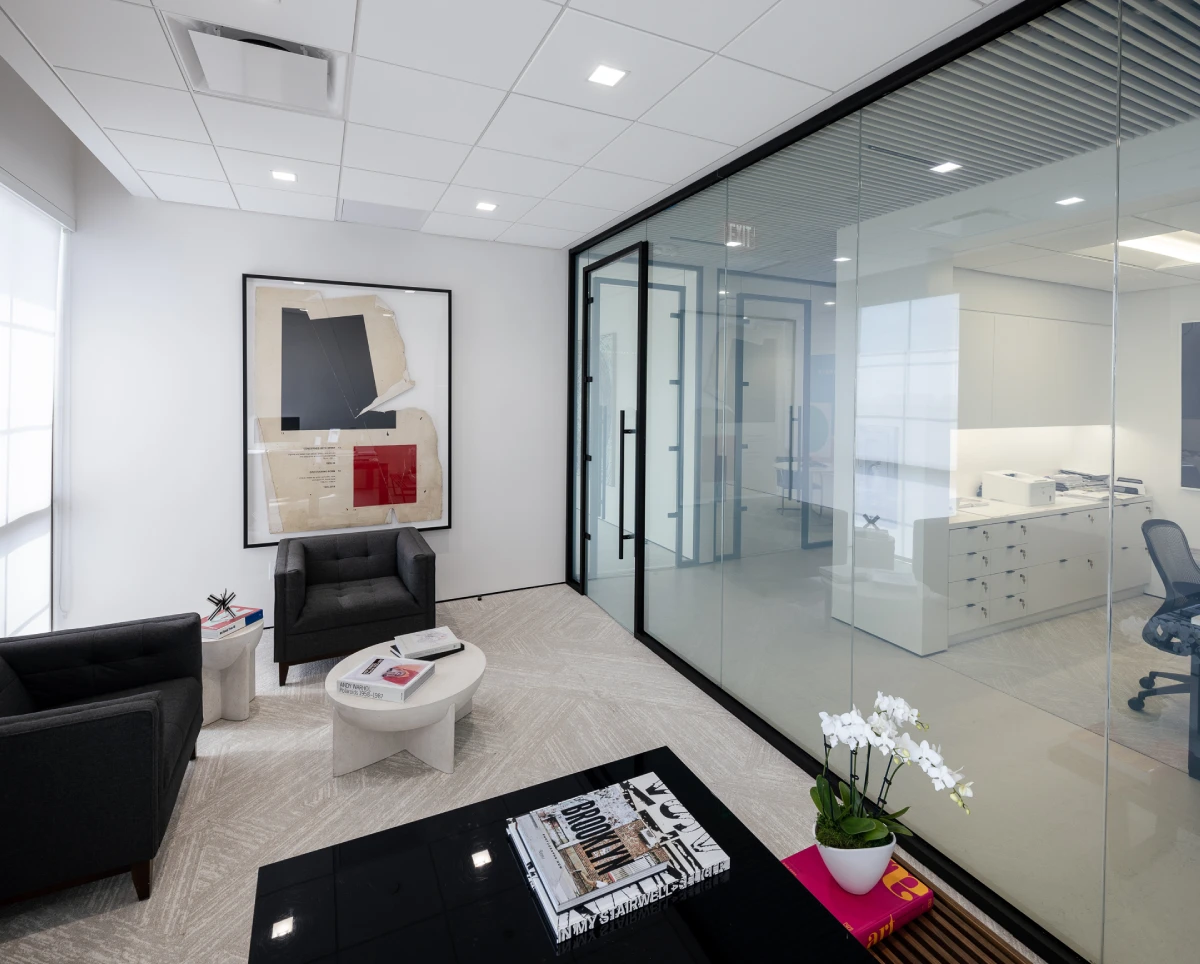
Design for where the business is going, not just where it is today.
Growth-ready design means planning infrastructure, layout, and capacity to absorb change without reconstruction.
The cost: Expensive renovations and operational disruption during critical growth phases.
Mistake 04 Ignoring Acoustics Until It Is Too Late
Acoustics is one of the most overlooked aspects of commercial design, yet it has a direct impact on productivity, guest satisfaction, and overall experience.
Acoustic performance is determined early and is expensive to fix later.
Decisions around materials, layout, and systems define sound quality. Fixing it after construction is always more costly and less effective.
The cost: Complaints, negative reviews, productivity loss, and ongoing retrofits.
Mistake 05 Choosing Aesthetics Over Functionality in High Traffic Areas
If a space does not work at peak load, it does not work.
Design must perform under real conditions, not just look good in renderings. High-traffic areas demand materials, layouts, and lighting that support daily use at scale.
The cost: Wear, inefficiency, and early-stage corrections.
Mistake 06 Not Accounting for Flexibility and Future Change
Organizations evolve, and spaces must evolve with them. Rigid designs quickly become obsolete and require full renovation sooner than expected.
Flexibility extends the lifespan and value of the space.
Designing for adaptability ensures that the space remains relevant across changing needs without structural intervention.
The cost: Frequent renovations and long-term inefficiency.
Mistake 07 Hiring a Residential Designer for a Commercial Project
Commercial design requires specialized expertise.
Residential and commercial design are fundamentally different disciplines. Without expertise in codes, materials, and operational demands, projects face delays, failures, and costly corrections.
The cost: Permit issues, compliance failures, and expensive remediation.
Mistakes Overview
01. No Brief
Cost: Full redesign
02. Lead Times
Cost: Budget overruns
03. No Growth
Cost: Reconstruction
04. Acoustics
Cost: Retrofits
05. Function
Cost: Rework
06. No Flexibility
Cost: Renovations
07. Wrong Designer
Cost: Rebuild & delays
The Common Thread
All of these mistakes stem from decisions made without the right information, at the wrong stage, or by the wrong team. In commercial design, these decisions compound over time and become embedded in the performance of the space.
The cost of getting it right early is always lower than fixing it later.
At AI Spaces, we approach design as a strategic process that begins before any drawing is made, ensuring every decision is informed, intentional, and aligned with long-term performance.
Avoid these mistakes from day one
AI Spaces LLC | aispaces.ai | Interior Architecture & Design for Corporations