Design
Light Up Your Sales: 5 Restaurant Lighting Tips to Enhance Mood and Guest Experience
Hospitality Design Strategy
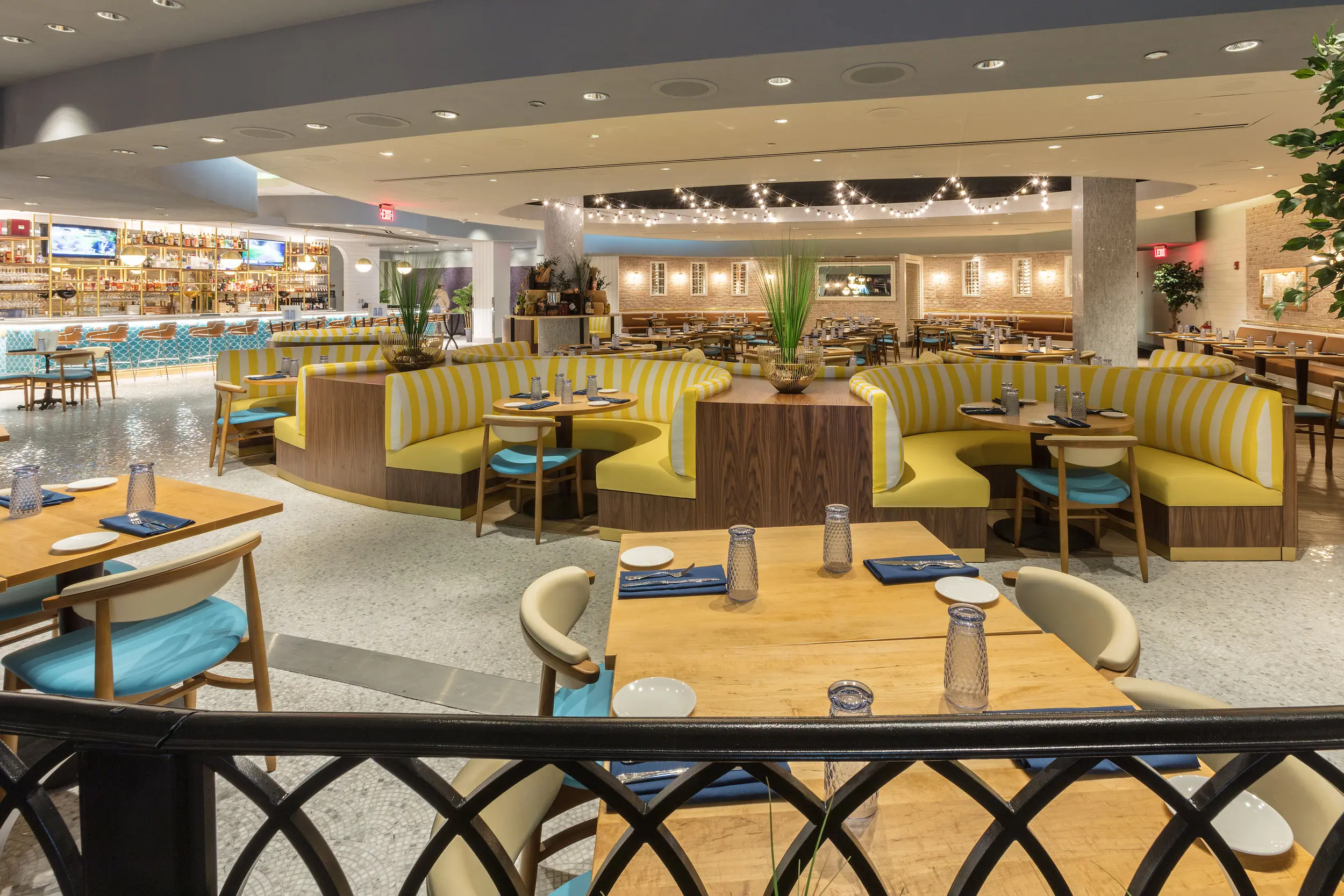
Images by Glen Coben | Proyect Caputo
Restaurant lighting is never only about visibilit, it’s about behavior design. Every layer of lighting shapes how guests feel, how long they stay, and even what they order.
The most successful concepts use all three layer, ambient, task, and accent, in deliberate proportion to create the experience that aligns with their business model.
For the full framework, check out our complete guide on Restaurant & Hospitality Interior Design.
1. Ambient Lighting | The Base Layer That Sets the Emotional Tone
Ambient lighting is the overall illumination of the restaurant. This is the “first read” when guests walk in, the tone-setter for comfort, expectation, and brand personality.
Psychological Effect
- Warm, low ambient light (2700–3000K): Guests stay longer, perceive food as richer, more likely to order drinks or dessert.
- Neutral-to-bright ambient light (3500–4000K): Guests move faster, feel more “productive,” and tend to eat-and-go (ideal for fast-casual).
Why it works: Warm light triggers parasympathetic nervous system response,slowing pace and lowering stress. Brighter lighting increases alertness.
2. Task Lighting | The Functional Layer
Task lighting illuminates areas where visibility is crucial: dining tables, POS stations, expo lines, bars, and service corridors.
Why it works: Task lighting enhances visual clarity. When guests can see their food clearly but feel sheltered from glare, they relax. When bar surfaces glow, they drink more.
- Pendants over tables for intimate focus
- Integrated LED strips under shelves at the bar
- Narrow-beam downlights targeting plates
3. Accent Lighting | The Emotional Layer
Accent lighting highlights focal points, art, architectural details, banquettes, back bars, plants, or feature walls.
"Accent lighting is emotional signaling. The brain interprets highlighted areas as 'important' and feels drawn to them."
How Lighting Layers Affect Revenue
| Restaurant Type | Ideal Lighting Mix | Business Impact |
|---|---|---|
| Fine Dining | Warm ambient + soft task + subtle accent | Higher check averages, relaxed pacing |
| Fast Casual | Bright ambient + functional task + minimal accent | Faster table turnover |
| Bars/Lounges | Dim ambient + dramatic accent + focused task at bar | Higher beverage sales |
Pro Tips for Lighting Psychology
- Use warmer tones at booths: Guests linger longer; check averages rise.
- Keep brighter light in quick-serve zones: Signals pace and function; increases turnover.
- Dim gradually through service periods: Drives emotional transitions from daytime energy to evening intimacy.
Ready to elevate your guest experience?
We can help you build a customized lighting psychology blueprint that aligns with your brand and business goals.
Get Your Lighting Strategy
More Articles to Keep Designing Your Workspace
Guides, inspiration and workspace ideas