Design
How to Make Retail Spaces Shine: Lighting Design That Sells

Lighting Design Tips for Effective Retail Spaces
When it comes to successful retail interior design, lighting is never just an afterthought—it’s a strategic tool that guides customer behavior, enhances brand perception, and drives sales. The right lighting design not only makes your products look appealing but also transforms how customers feel inside your store. From spotlighting merchandise to creating emotional engagement, lighting for retail interiors plays a vital role in the way customers interact with your space.
In this blog, we’ll break down practical tips and strategies to optimize lighting, all through the lens of intentional and smart retail interior design.
Why Lighting Matters in Retail Interior Design
Lighting does more than illuminate a space. It creates ambiance, highlights products, sets moods, and influences decision-making. Poor lighting can make even the best-designed retail environment feel cold or confusing, while effective lighting enhances the visual appeal of your merchandise and draws shoppers into curated experiences. In essence, it’s the secret ingredient that elevates your store from functional to unforgettable.
Understand the Three Layers of Retail Lighting
Effective lighting for retail interiors involves a combination of three types of lighting:
- Ambient Lighting: This is your base layer. It ensures the store is evenly lit and welcoming. Think ceiling-mounted fixtures, LED panels, or architectural lighting integrated into the store's design.
- Accent Lighting: Accent lighting is where the magic happens. Used to highlight specific products or architectural features, it creates contrast and drama. Adjustable track lights or focused spotlights draw attention to key areas and influence buying behavior.
- Task Lighting: Often overlooked, task lighting ensures functionality for staff and customers. It enhances usability in checkout areas, fitting rooms, and product interaction zones.
Layer Strategically: Don’t Just Light Everything
A common mistake in retail interior design is lighting the entire space evenly. This flattens out the atmosphere. Instead, create depth with layers:
- Use ambient lighting to provide overall brightness.
- Add focused accent lighting to highlight key products.
- Use dimmable fixtures and smart lighting controls to create zones and shift moods throughout the day.
This approach helps direct customer attention, whether to seasonal items, new arrivals, or high-margin products.
Leverage Color Temperature and Light Quality
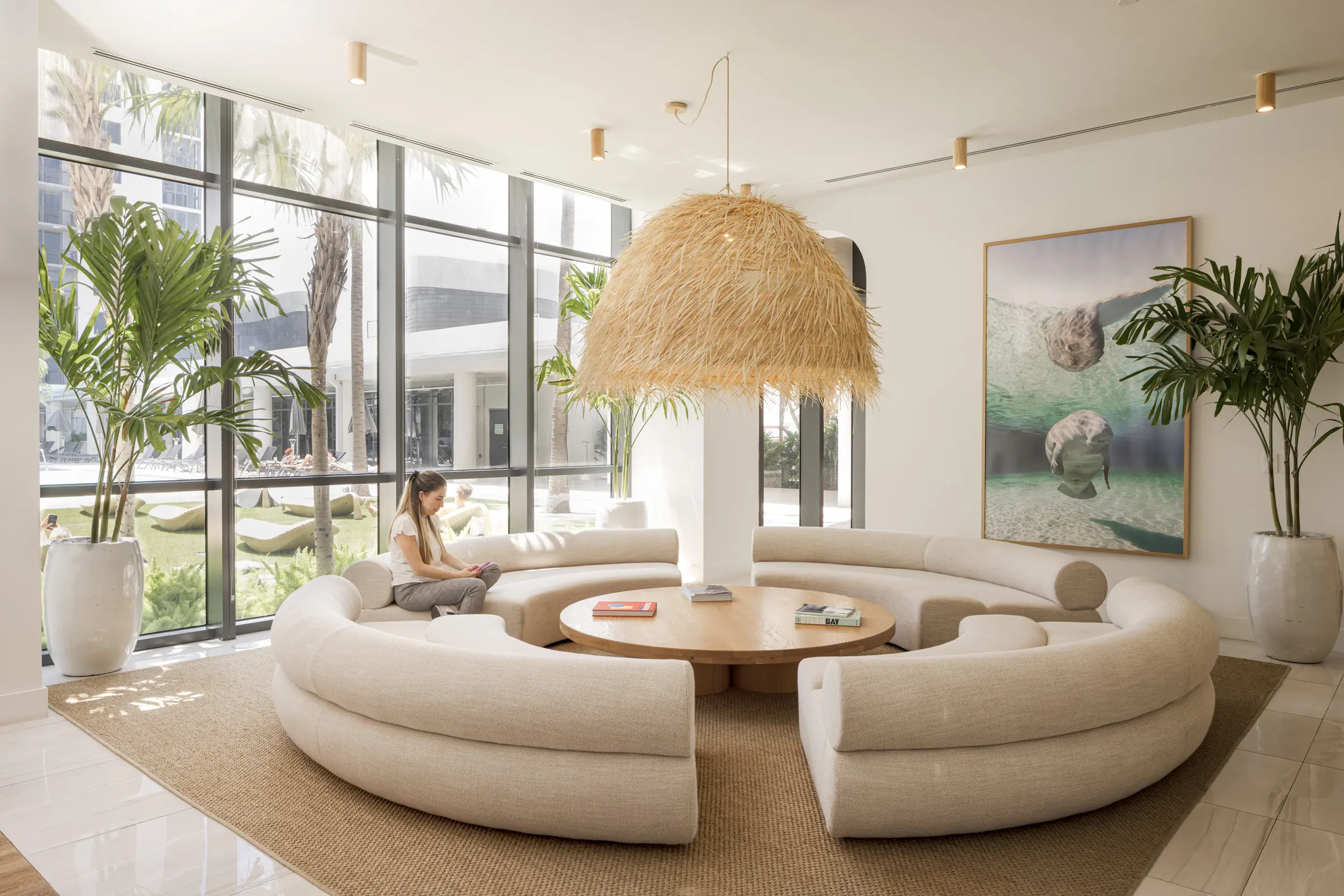
Color temperature significantly affects a store’s emotional atmosphere:
- Warm light (2700K–3000K) creates a cozy, inviting vibe—ideal for boutiques or lifestyle brands.
- Neutral white (3500K–4100K) offers a clean, modern look—great for fashion or general retail.
- Cool white (5000K+) is energizing and perfect for tech or athletic retail environments.
Always prioritize high CRI lighting (90+) to ensure accurate color rendering. The last thing you want is a customer seeing one color in-store and another outside.
Integrate Lighting into Your Brand Identity
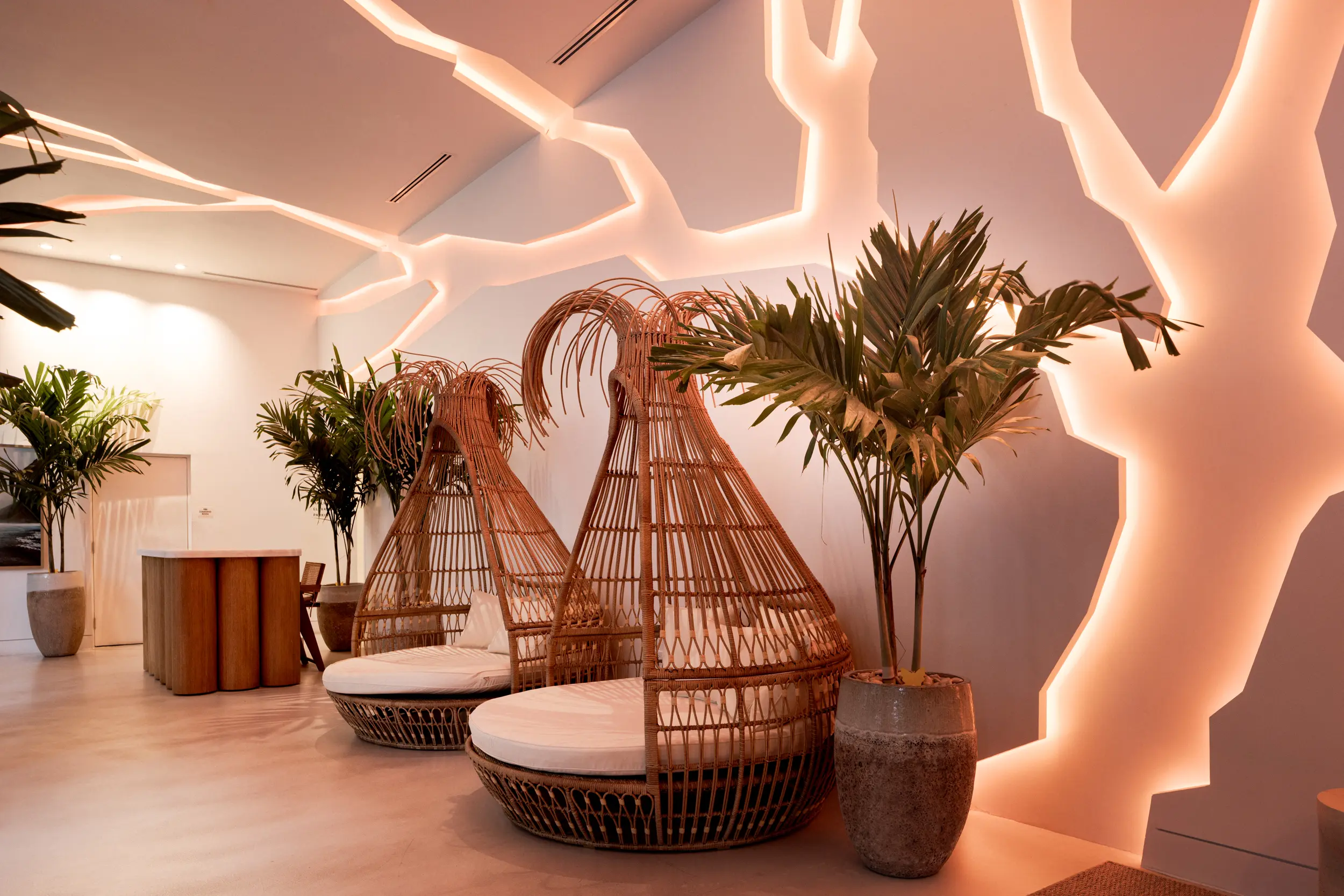
Lighting isn’t just about visibility—it’s a branding tool. A luxury watch boutique may use dramatic spotlighting, while an eco-conscious store may prioritize daylighting and soft, diffused LEDs. Let lighting reinforce your brand story and ambiance—whether sleek and modern or earthy and organic.
Use Lighting to Guide the Customer Journey
Retail lighting can act like a silent salesperson, guiding shoppers through the space:
- Use brighter lights at the entrance to welcome shoppers.
- Dim and spotlight in-store to create flow and discovery.
- Position accent lighting at the back wall to draw customers deeper inside.
This strategy increases engagement and purchasing behavior.
Don’t Forget Energy Efficiency and Maintenance
Effective lighting design balances aesthetics with sustainability. LEDs are now standard due to their energy efficiency, low heat, and long lifespan. Use smart lighting systems to automatically adjust light levels based on time or traffic. Also, ensure fixtures are accessible to reduce maintenance challenges.
Explore Innovative Lighting Trends
To stay ahead in retail interior design, explore lighting innovations like:
- Smart Lighting: Sensor- or app-controlled systems that respond in real time.
- Tunable White Light: Lighting that mimics daylight rhythms for comfort and wellness.
- Interactive Lighting: Motion-activated or reactive light installations that create immersive experiences.
These aren’t just futuristic—they’re powerful tools for emotional and behavioral engagement.
Light Your Way to Better Retail
Lighting is the most invisible yet impactful element of any retail interior design project. It defines how a space feels, how products are perceived, and how customers behave. Done well, it’s a brand amplifier and a silent but powerful sales driver.
Your Glow-Up Starts Here
Ready to stop lighting your store like a dentist’s office? Let’s create a space that glows with intention. Connect with us at AI Spaces, because your retail environment deserves more than just lights—it deserves a vibe.

More Articles to Keep Designing Your Workspace
Guides, inspiration and workspace ideas