Innovation
Designing the 5-Star Guest Experience: A Hospitality Interior Design Guide
Luxury Hospitality Insights
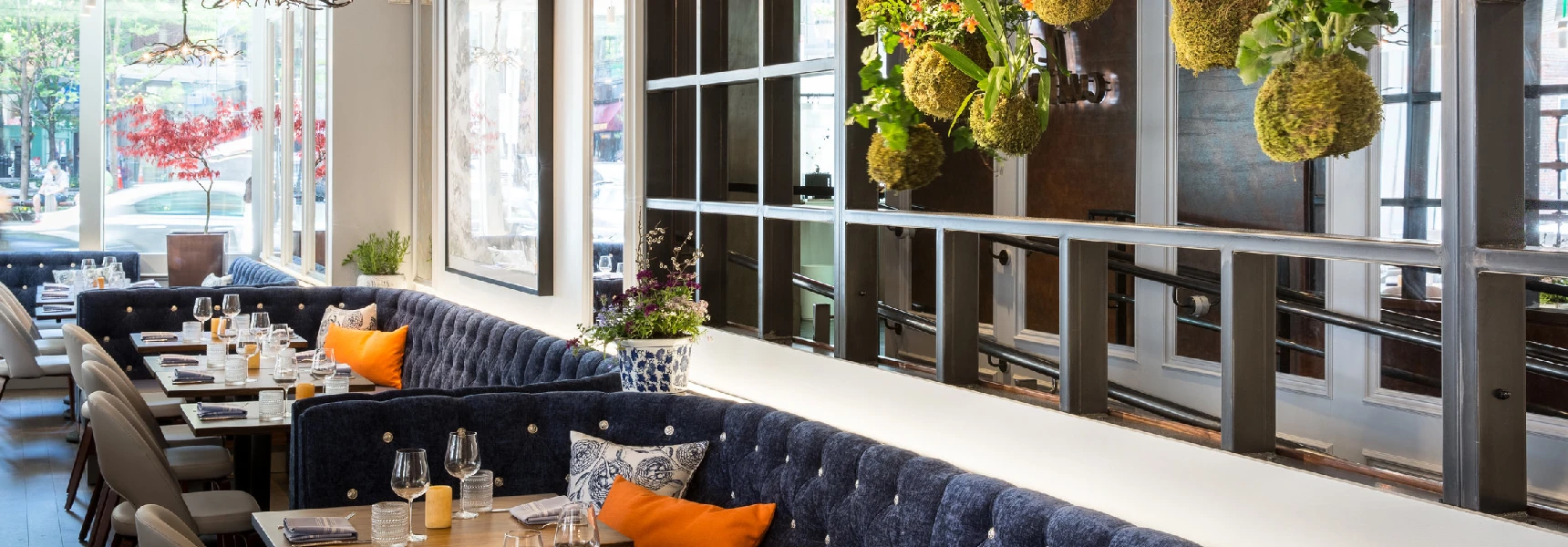
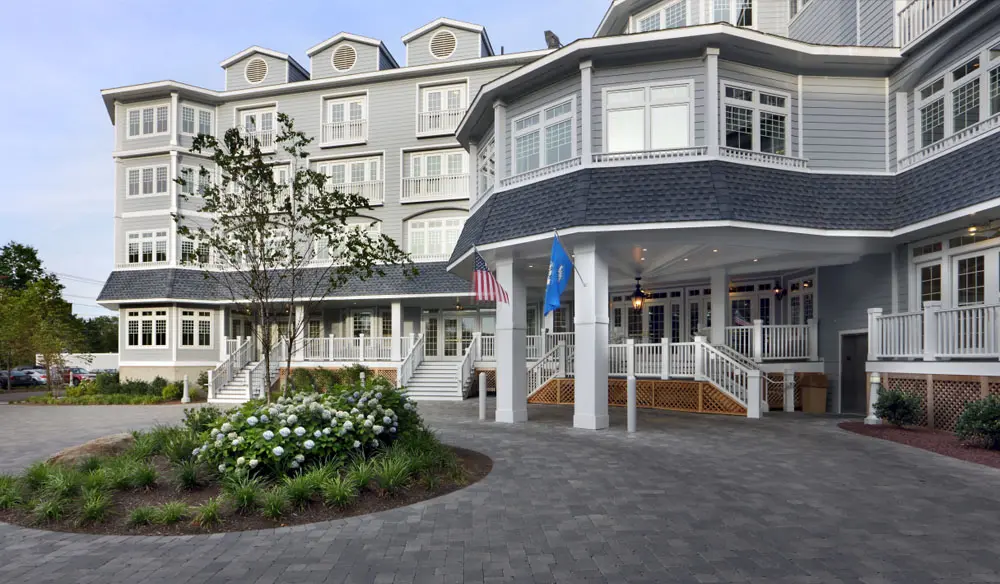
Images by Glen Cober | Project Ames Hotel
The 5-star hospitality experience in 2025 is shaped by intentional design decisions. For hospitality development teams, the challenge is delivering beauty, durability, and operational efficiency simultaneously .
Step 1: Arrival & Lobby Design
Goal: Establish comfort and brand identity within 10 seconds.
Best Materials
- ✔ Porcelain slab: Luxury look with high durability
- ✔ Engineered stone: For reception counters (resists scratches)
- ✔ Textured wallcoverings: Hides scuffs better than paint
Step 2: Corridors & Transitions
Corridors must feel calm, intuitive, and safe. They set the tone for privacy.
Key Design Moves: Use high-density carpet tile for acoustics and indirect lighting to guide guests without glare.
Step 3: Guest Rooms
This is where development teams carry the most responsibility: balancing luxury with lifecycle costs.
| Flooring | Luxury Vinyl Plank (LVP) for warmth + durability |
| Surfaces | Quartz vanities and thermofoil casework |
| Hardware | Matte metal to mask fingerprints and wear |
Step 4: Restaurants & Wellness
Every choice here must support both brand and operations. For spas, prioritize non-slip flooring and moisture-resistant panels. For dining, use FR-treated fabrics and stone composite bar tops.
Common Mistakes to Avoid
- Using residential materials in high-wear zones
- Overusing glossy surfaces that show scratches instantly
- Ignoring acoustics in lobbies (creates a "cavernous" feel)

More Articles to Keep Designing Your Workspace
Guides, inspiration and workspace ideas