Design
The Secret Language of Displays: How Design Sells Without Words
Retail Display Design That Captures Attention
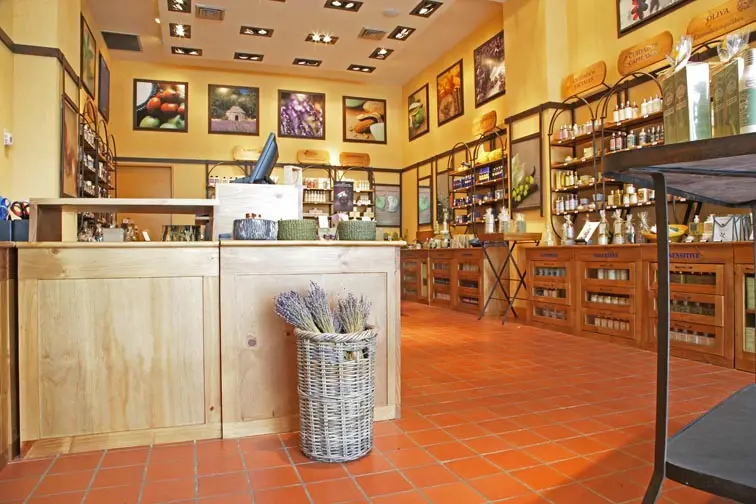
Retail interior design isn’t just about good looks—it’s about behavior. The right design guides customers, encourages interaction, and boosts conversions. At the heart of this is retail display design: the art and strategy of showcasing products in ways that make people stop, look, and buy. If your store isn’t turning heads, it might be time for a refresh. Here’s how to create display design that not only looks great but drives results.
1. Start with a Clear Visual Hierarchy
Your display should guide the eye. Use focal points like bold signage, spotlights, or striking products. Group items in odd numbers and vary heights to spark curiosity and create natural flow.
2. Know the Power of the Decompression Zone
The first few feet inside your store act as a reset zone. Keep this area open and inviting—avoid placing high-value items here and let customers adjust before they engage deeper with your displays.
3. Design Displays for the Right Customer Flow
In most cultures, shoppers naturally turn right upon entering. Place key displays and new arrivals along this path. Think of the store as a journey where each section tells a story leading to the next.
4. Incorporate Sensory Layers
Great retail display design engages more than sight. Use textures, lighting, sound, and even scent to elevate the shopping experience. Spotlighting adds drama, while natural materials create authenticity.
5. Use Fixtures That Fit the Brand
From mannequins to shelving, fixtures should echo your brand identity. Sleek and minimal for high-tech products, rustic and raw for artisanal goods. Displays should reflect not only your products but your personality.
6. Change Displays Regularly
Stale displays quickly lose impact. Refresh high-traffic zones weekly or seasonally depending on stock. Frequent updates give customers reasons to return and keep the space dynamic.
7. Use Lighting as a Selling Tool
Lighting is essential to highlight focal points and set the mood. Use accent lights to emphasize premium products. Avoid flat, even lighting—contrast creates drama and guides attention.
8. Tell a Story with Product Grouping
Group complementary products together—like mugs with French presses or shirts with accessories. This increases perceived value and encourages upselling.
9. Leverage Digital and Interactive Elements
Modern retail thrives on interaction. Integrate touchscreens, QR codes for reviews, or AR experiences. Thoughtfully applied, technology enhances engagement and makes displays memorable.
10. Evaluate Performance and Adapt
Use sales data, foot traffic heatmaps, and customer feedback to measure success. Identify which displays convert best and which need reworking. Display design should evolve with your shoppers.
Design That Sells Without Saying a Word
Your retail space is more than a backdrop—it’s a silent salesperson. Effective retail display design captures attention and inspires action. Every inch should tell a story worth stepping into.

More Articles to Keep Designing Your Workspace
Guides, inspiration and workspace ideas