Innovation
10 Restaurant Design Trends That Are Reshaping Commercial Spaces

Restaurant Interior Design Trends to Watch
In the fast-paced world of hospitality, restaurant interior design is no longer just about stylish chairs or trendy lighting. It’s about crafting an immersive environment that tells a story, shapes customer behavior, and subtly influences how long guests stay, how much they spend, and how often they return.
As we enter a new era of dining experiences, commercial exterior design and interior elements are converging to create branded environments that feel both elevated and emotionally engaging. This article explores the trends redefining restaurant design—and how professional commercial exterior design services help bring them to life.
1. Experience Over Aesthetics: The Rise of Immersive Design
Today’s standout restaurants design experiences, not just spaces. Every detail—from acoustics and scent to texture and lighting—works together to immerse guests in a narrative.
Whether it’s a jungle-inspired cocktail bar or a serene Japanese eatery, successful spaces tell a cohesive story across interior elements, layout, materials, and even uniforms.
Design Tip: Engage branding and architecture teams early. Design should serve the concept, not follow it.
2. Flexible Layouts for Hybrid Use
Restaurants today are more than dining spaces—they’re coworking hubs, event venues, and delivery fulfillment zones. Flexibility is a must.
- Movable partitions and modular furniture support multiple uses
- Lighting scenes shift a space from lunch rush to intimate evening
- Smart zoning keeps function and flow in harmony
Takeaway: Versatility doesn’t mean boring. Layer materials and finishes to maintain design integrity.
3. Sustainability as Standard
Sustainability is no longer optional—it’s expected. From materials to mechanical systems, restaurants are showing their values in every design choice.
- Reclaimed wood and terrazzo with recycled content
- Energy-efficient lighting and low-flow plumbing
- Transparent kitchens that showcase clean practices
Bonus Trend: Visibility. Guests want to see sustainability in action, not just read about it.
4. Local Flavor in Global Concepts
Global brands are becoming more site-specific. Each restaurant is designed to feel unique while still honoring its broader brand.
Think coral stone in a Miami Mediterranean bistro or locally crafted terrazzo in an LA vegan café. This shift blends community relevance with global identity.
5. Biophilic Design
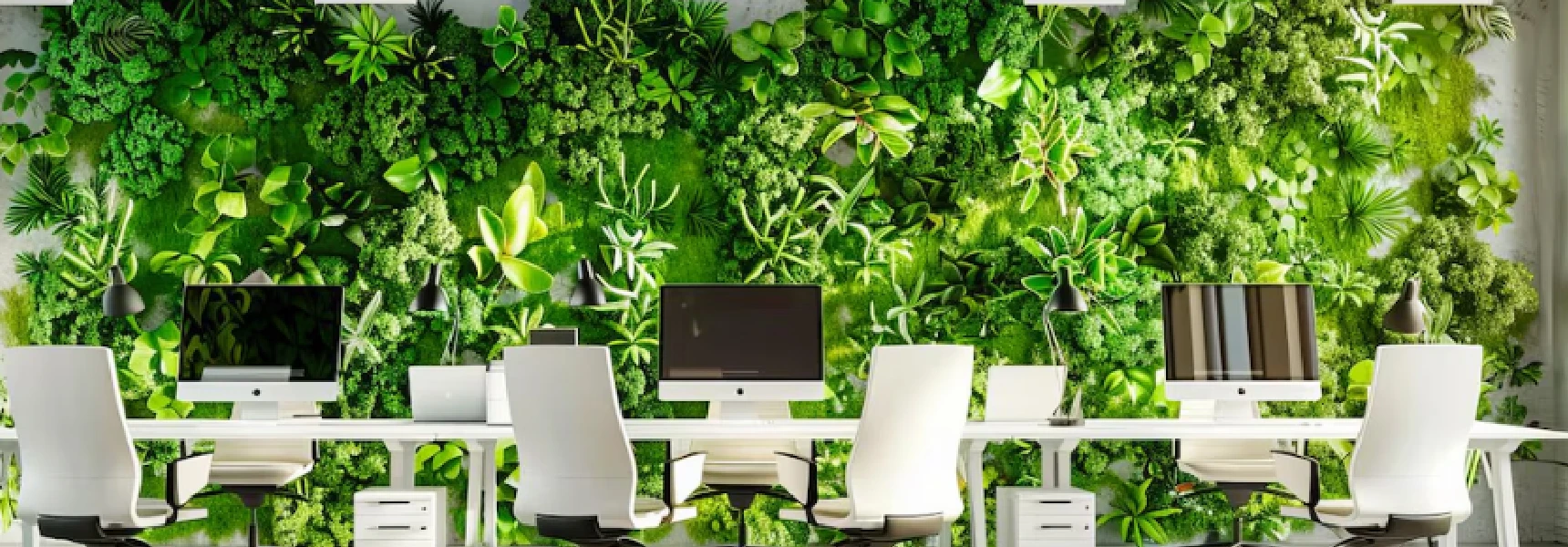
Nature-inspired design improves mood, air quality, and overall guest experience. Biophilia is influencing everything from lighting to material selection.
- Green walls and indoor gardens
- Smart lighting systems mimicking circadian rhythms
- Organic textures like rattan, linen, and stone
Design Insight: It doesn’t require a jungle—just intentional moments of nature.
6. The Art of the Statement Piece
In the era of social media, every restaurant needs a design moment worth sharing. But it must be authentic.
Popular statement elements include:
- Neon quotes or dynamic ceiling installations
- Seasonal art walls or branded sculpture
- Lighting that doubles as art
Pro Tip: Stay on-brand and timeless—avoid design gimmicks.
7. Technology Integration Without Losing Warmth
Smart restaurants balance innovation with hospitality. Tech enhances the experience without overpowering it.
- QR menus and smart lighting
- Embedded tablets in host stands
- Touchless restrooms and ambient automation
Design Solution: Merge tech with traditional materials—think brass pendants with smart bulbs or marble counters with embedded charging.
8. Texture, Tone, and Sensory Layers
Memorable spaces are layered—visually, acoustically, and emotionally. Today’s designers use material palettes to craft multi-sensory environments.
Try combining:
- Matte concrete with velvet
- Hand-painted tiles with raw wood
- Soft lighting and sculptural finishes
Design Rule: Limit your material palette to 3–5 key finishes, then build layers of warmth and detail.
9. Cultural Fusion and Inclusivity
Global inspiration meets cultural respect. Design elements from around the world are being thoughtfully integrated into restaurant interiors—creating inclusive, meaningful spaces.
Designers are also considering:
- Accessible seating and inclusive wayfinding
- Layouts that accommodate all body types and abilities
- Multilingual or symbol-based signage
10. Lighting as a Mood Architect
Lighting is emotional architecture. It affects appetite, energy, and dwell time—yet it's often underused.
Today’s best spaces feature:
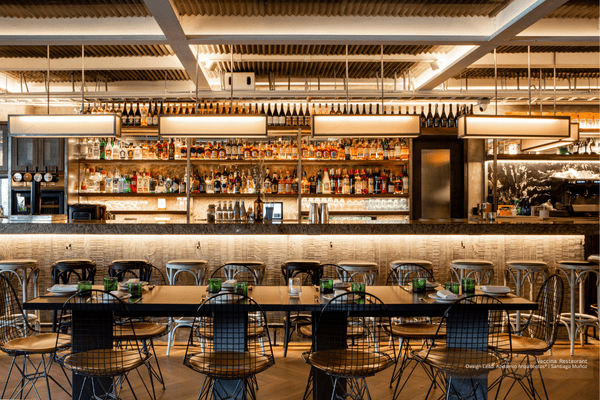
- Layered pendants, sconces, LEDs, and candles
- Tunable white lights that adjust to time of day
- Lighting plans that adapt to volume and ambiance
Lighting Tip: Train your team to adjust lighting with intention. It makes a massive difference.
Ready to Rethink Your Restaurant?
At AI Spaces, we believe every square foot is a storytelling opportunity. Through intentional, high-performance commercial design—both interior and exterior—we help restaurants align space with strategy.
From flexible layouts to custom material palettes, our professional commercial exterior design services ensure your entire brand experience starts before guests even walk through the door.
Let’s design spaces that speak louder than your menu.
Schedule a consultation with our team today and discover how design can drive loyalty, revenue, and unforgettable guest experiences.

More Articles to Keep Designing Your Workspace
Guides, inspiration and workspace ideas