Design
Designing a Law Office Reception That Builds Instant Trust
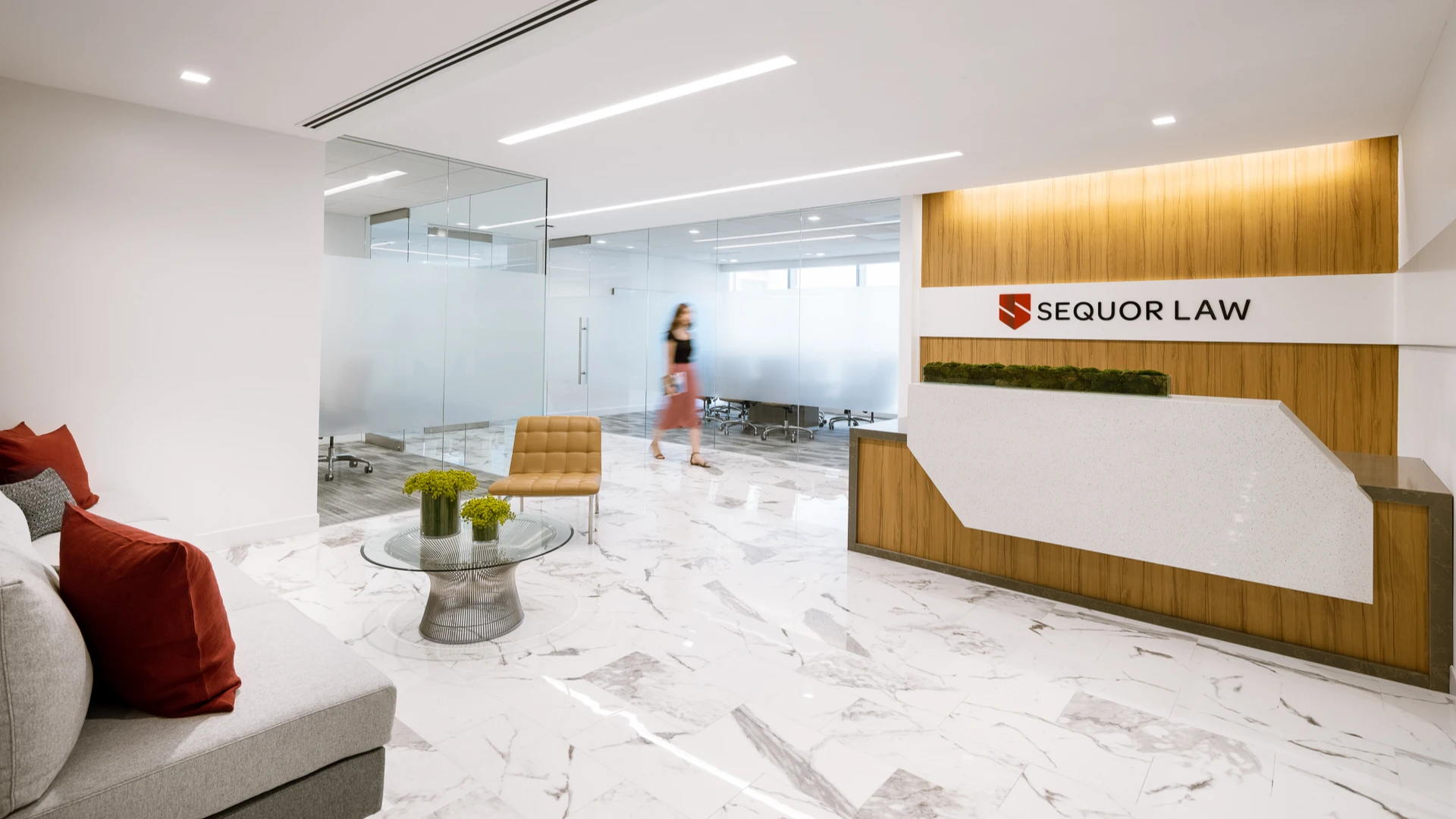
A well-executed law office reception design does more than look professional—it actively builds trust, reduces client anxiety, and reinforces your firm’s credibility before a single word is spoken.
For many clients, especially those navigating stressful legal situations, the reception area forms their most lasting emotional impression of your firm. Within seconds of arrival, they subconsciously assess your professional competence, confidentiality, and stability.
This article breaks down how modern law offices can design reception spaces that feel calm, discreet, and authoritative—without becoming cold, intimidating, or overly corporate.
For the full framework, check out our complete guide on Law Firm Office Design.
Core Principles of Effective Law Office Reception Design
The goal is reassuring confidence, not luxury for its own sake. A poorly designed reception can undermine even the strongest legal reputation, while a thoughtful one becomes a silent advocate for your firm.
- Clarity: Signals organization and competence.
- Privacy: Communicates respect and discretion.
- Comfort: Demonstrates empathy and professionalism.
- Controlled Security: Ensures safety without intimidation.
1. Arrival Should Be Intuitive and Calm
Clients should never feel lost when they enter your office. A calm arrival lowers stress, which is critical when clients may already feel vulnerable.
Best Practices:
- Clear sightlines from entry to the reception desk.
- Minimal visual clutter and obvious seating zones.
- Avoid maze-like layouts or over-signage.
2. Reception Desks: Authority Without Barriers
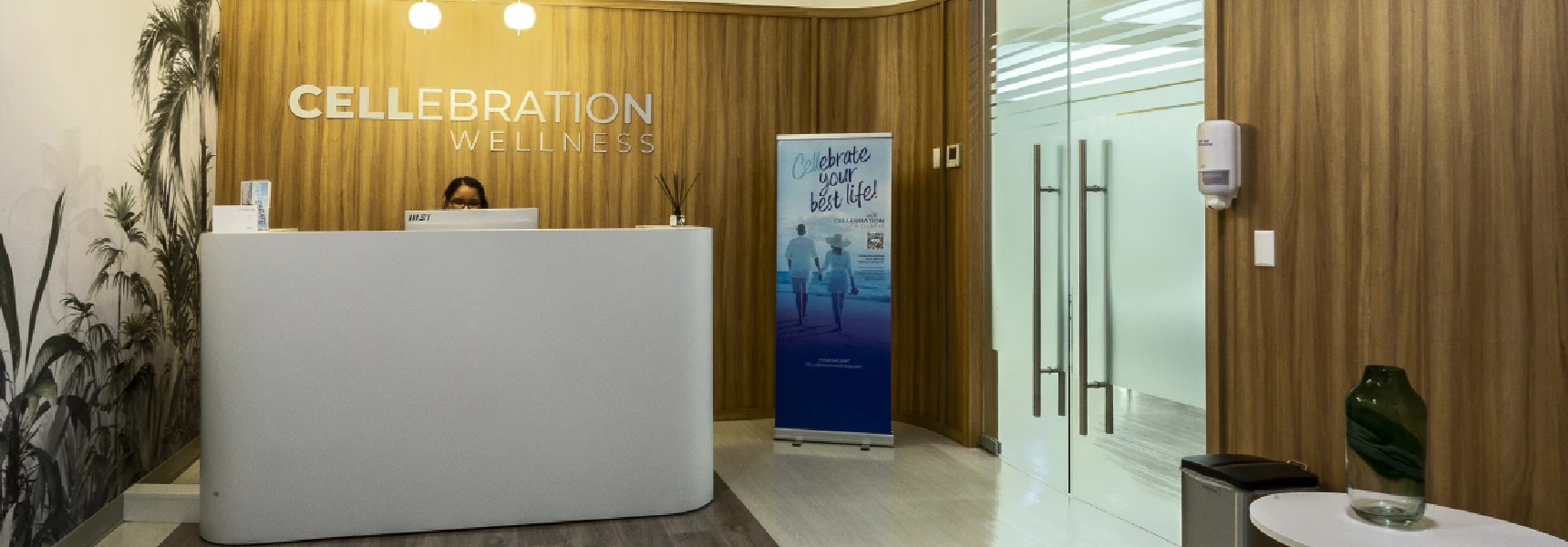
The reception desk sets the tone for human interaction. Receptionists should feel accessible, not barricaded.
Design Guidelines
- Desk height: Should feel professional, not defensive.
- Materials: Use stone, wood, or solid surfaces to communicate permanence.
- Technology: Integrated and hidden from view to maintain a clean surface.
3. Privacy-Conscious Waiting Areas
Clients may be discussing sensitive matters on the phone or quietly with family members. Privacy in the waiting area communicates respect.
Strategies That Protect Privacy:
- Spaced Seating: Prefer individual chairs over bench seating.
- High-Backed Lounge Chairs: Offer a medium level of visual and acoustic privacy.
- Acoustic Screens: Use low partitions or semi-enclosed zones for sensitive practices.
4. Acoustic Comfort Is Non-Negotiable
Sound control is often overlooked in reception areas, yet clients always notice bad acoustics (echoes, overheard calls). Solutions include upholstered furniture, acoustic wall panels integrated as art, and white noise systems where appropriate.
5. Lighting That Reassures, Not Interrogates
Lighting profoundly affects emotional state. Effective reception lighting uses a layered approach (ambient + accent) with warm color temperatures. Avoid harsh downlighting directly over seating, as it can make clients feel exposed.
6. Branding with Restraint
Law firm branding should be confident, not flashy. Over-branding can feel insecure, whereas understated branding feels assured.
- Logo etched subtly in stone or glass.
- Brand colors woven into finishes rather than painted on walls.
- Framed mission statements or awards used sparingly.
7. Security That Feels Invisible
Security is essential but should never dominate the experience. Clients should feel safe, not surveilled. Consider badge access concealed within millwork and visitor check-in systems integrated directly into the desk design.
Mini Case Insight
A regional firm redesigned its reception to reduce perceived wait times. By introducing lounge seating, acoustic finishes, and hospitality-inspired lighting, client satisfaction scores improved significantly—despite no change in the actual wait duration.
Reception Design Planning Checklist
- ☑ Clear entry-to-desk sightlines
- ☑ Privacy-conscious seating layout
- ☑ Acoustic treatments included (flooring, walls)
- ☑ Warm, layered lighting design
- ☑ Subtle brand integration
- ☑ Discreet security integration