Architectural Design
From Concept to First Cover: How Interior Design Shapes a Restaurant's Success

Every restaurant begins as an idea. A cuisine, a mood, a name, a chef with a vision. But between that idea and a full dining room on a Saturday night lies a discipline that is too often underestimated: interior design. Not decoration design. The deliberate, strategic shaping of a physical environment to drive human behavior, emotional response, and ultimately, commercial performance.
The restaurant industry is unforgiving. Margins are thin, competition is relentless, and guests have more choices than ever. In this environment, the experience a space creates is not a secondary concern, it is the business. A great menu in a poorly designed room will underperform a good menu in a remarkable one. Design is not the wrapper around the concept; for the most successful restaurants, it is the concept.
At AI Spaces, we've designed restaurants, food halls, franchise concepts, and hospitality environments across the Americas. What follows is what we know ,from the inside , about how interior design shapes a restaurant's success from opening day forward.
For the full framework, check out our complete guide on Restaurant & Hospitality Interior Design.
Layout Is a Revenue Decision
.webp)
Layout is not an aesthetic decision : It is a financial strategy.
Before a single finish is selected, before lighting is discussed, before the brand palette is opened, the floor plan must be right.
Every square foot of a restaurant carries a cost: rent, utilities, staffing, insurance. The layout determines how many of those square feet generate revenue and how efficiently. Table count, table mix, aisle widths, service station placement, kitchen proximity .Each of these directly affects covers per service, average ticket time, and revenue per square foot.
- What is the target table turn time, and does the layout support it without feeling rushed?
- Does the table mix reflect actual booking patterns and guest demographics?
- Are service paths clear and efficient, minimizing crossing traffic?
- Does the bar placement maximize revenue and act as a social anchor?
- Are there distinct zones for different guest experiences?
Getting the layout right is the highest-leverage design decision in any restaurant project.
Atmosphere Is Not Accidental
Guests feel the space before they understand it.
Every great restaurant has a feeling the moment you walk in. That feeling is not luck. It is the product of dozens of overlapping design decisions, each calibrated to create a specific emotional response.
Lighting is the most powerful tool. We design it in layers: ambient, task, and accent, tuned for time of day and service style.
Acoustics are equally critical. Noise is the number one complaint in restaurant reviews. A room that is too loud drives guests to leave sooner, while a balanced acoustic environment increases comfort and check averages.
Other elements (ceiling height, materials, scent, music, temperature ) combine into a cohesive sensory experience that defines how a space is remembered.
The Instagram Factor Is Real But It's Not What You Think
Authenticity is what makes a space shareable , not decoration.
A visually distinctive space can drive awareness and bookings. But the goal is not to create a photogenic backdrop ,it is to create a strong, confident identity.
Spaces designed only for photos often feel empty in person. The most successful concepts commit to a clear point of view, and that authenticity is what translates into both social media and repeat visits.
- A signature moment that anchors the space
- Thoughtful natural light
- Distinctive tabletop surfaces
- Unexpected material combinations
Designing for Franchise Scalability
For restaurant groups, design must be replicable. A flagship is an investment, but a franchise is a system.
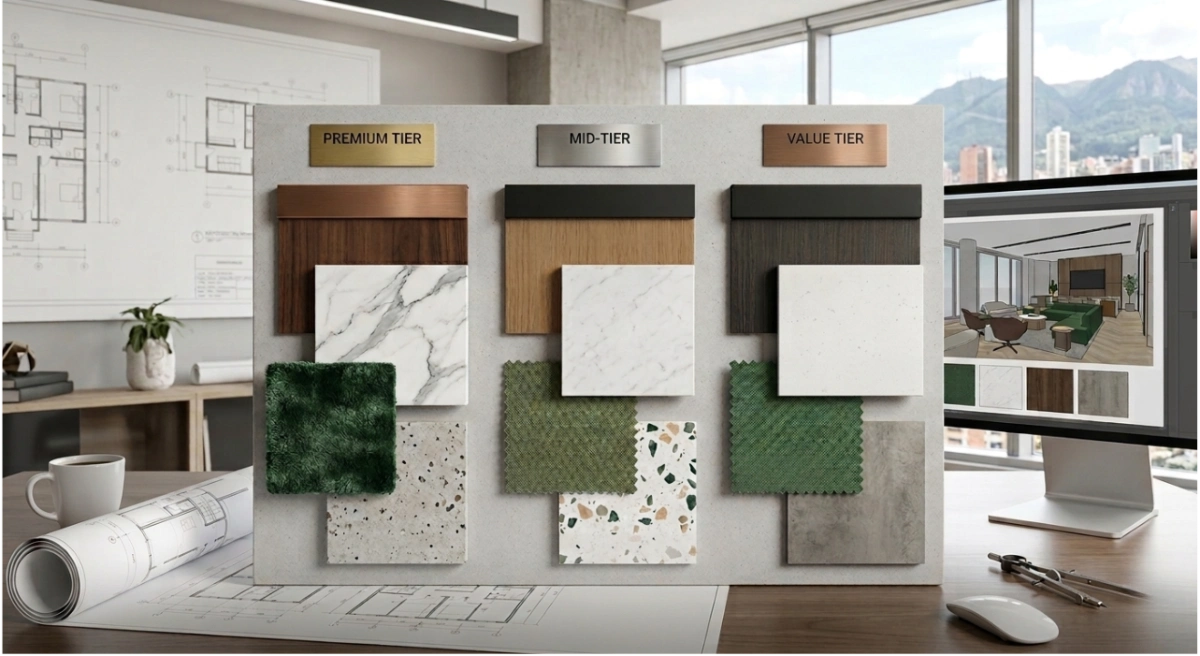
- Defined material palette with cost-tier alternatives
- Replicable lighting systems
- Flexible layout templates
- Cost-effective brand moments
Done right, scalability strengthens brand consistency and trust.
The Pre-Opening Investment That Pays for Itself
Some operators see design as a cost to minimize. In reality, it is a critical investment.
Design mistakes cost more to fix after opening than to prevent before construction begins.
A well-designed space generates ongoing value: better photos, faster table turns, longer stays, and higher check averages. These advantages compound over time.
The Room Is Part of the Recipe
A great room doesn’t support the concept , it is the concept.
The best restaurateurs understand that the room shapes how guests experience everything : how food tastes, how long they stay, and how often they return.
At AI Spaces, we design environments that people don’t want to leave and can’t stop talking about.
Because in the restaurant business, a full room is the best review you can get.
Opening a new concept or scaling a franchise?
Let's design it right from day one - book a free consult at aispaces.ai