Design
More Than Walls: How Interior Architecture Shapes Your Company's Brand and Culture
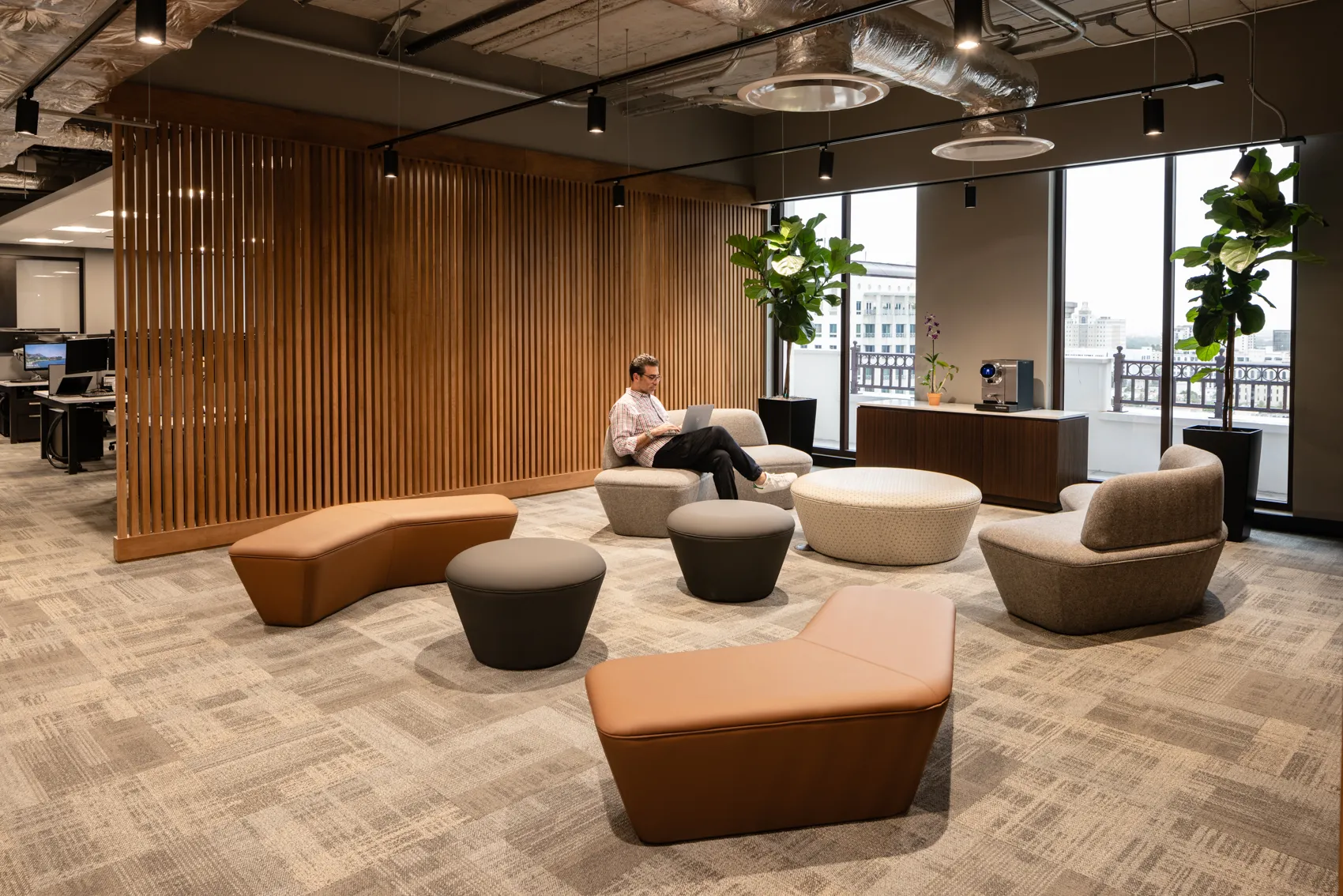
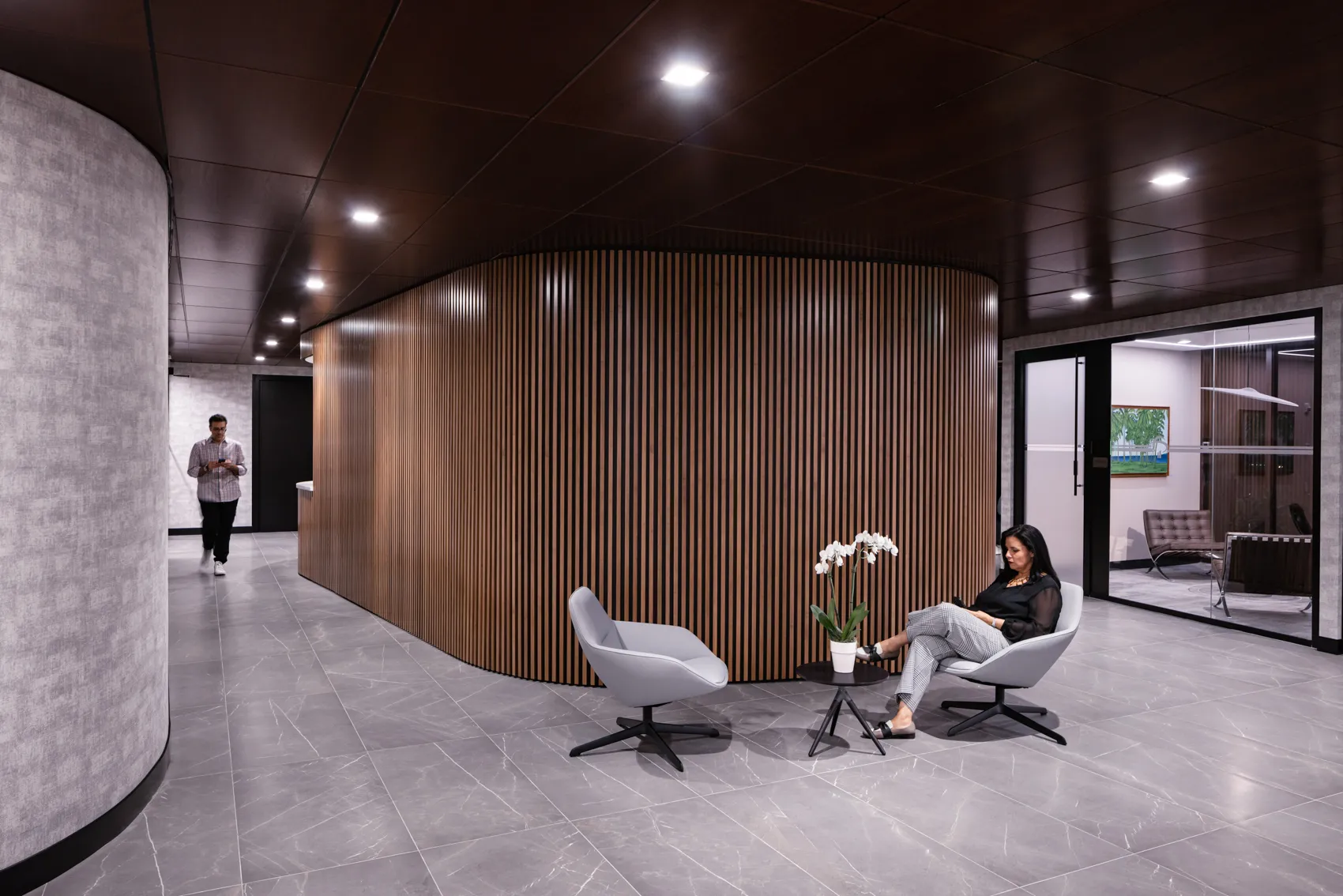
Images AI Spaces | project Bradesco
In the modern office, interior architecture is the operating system, not the wallpaper. It governs circulation, acoustics, daylight access, and amenity proximity, which in turn shape behavior, belonging, and performance.
If you reduce it to “where to put partitions,” you miss the biggest lever for experience and ROI. Interior architecture translates a company's values into a physical environment. But how does this look in practice?
Case Study: Tech vs. Law Firm
The same square footage can tell two completely different stories depending on the architectural logic.
The Tech Workspace: Speed & Collision
For a fast-moving tech company, the architecture must prioritize "productive serendipity." The circulation spine is designed to force collisions between teams. Project rooms are clustered near social hubs to keep energy high.
See it in action: View our Tech Workspace Design Project.
The Law Office: Privacy & Focus
In contrast, a law firm requires an architecture of discretion and deep focus. Here, acoustic zoning is paramount. The layout separates client-facing zones from heads-down research areas to ensure confidentiality without sacrificing light.
See it in action: View the Katz Barron Law Office Design.
1. Circulation is Culture You Can Walk
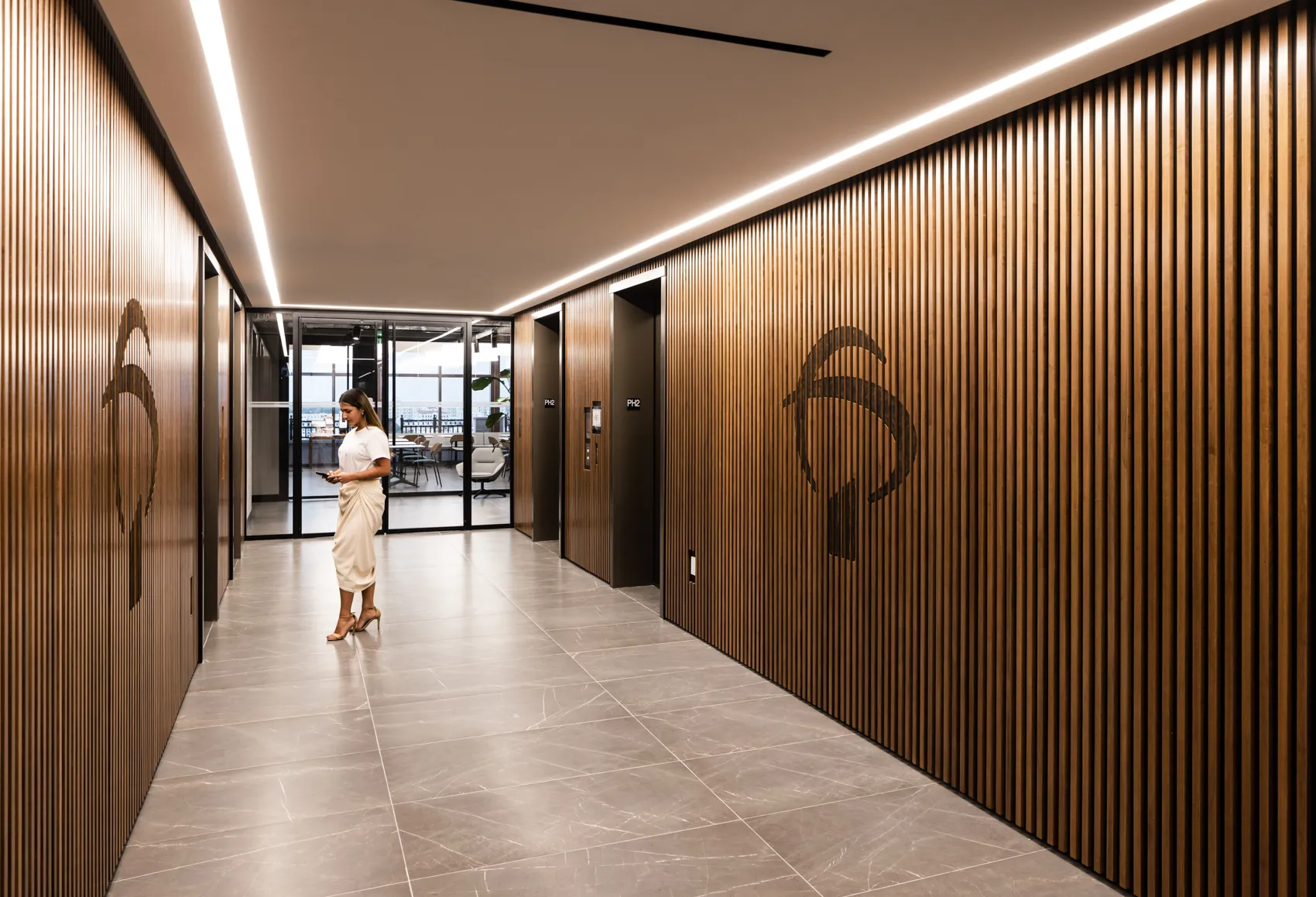
Plan the movement spine first: a clear, intuitive loop that connects entry → collaboration → focus → amenities without dead ends. A well-drawn spine reduces accidental collisions in heads-down zones and shortens wayfinding time for new hires.
- Design Move: Keep a 42–48" primary corridor with visual anchors every 60–80 feet.
- Tip: Turn corners into “micro-commons” with writable surfaces so movement yields moments.
2. Acoustic Architecture Beats Acoustic Products
Treat sound at the architectural scale before sprinkling panels. Zoning, room ratios, and material assemblies do more than any single product.
- Design Move: Establish a quiet-to-loud gradient along the spine. Never face phone booths toward open work.
- Ratio: Over-index on small rooms (1–4 people) to stop “big-room squatting.”
3. Daylight Distribution is Equity
Wellness expectations have risen. Inequitable access to light signals an outdated hierarchy. Transparent cores and low partitions increase perceived spaciousness and support circadian health.
- Design Move: Keep large rooms off the perimeter. Use glass-fronted small rooms near windows to borrow light for the core.
4. Amenities are Workflows, Not Perks
Place amenities where they grease real work, not as isolated Instagram corners. If coffee, print, and war rooms are scattered, collaboration dies in the margins.
- Design Move: Create project clusters: scrum room + material library + standing tables within 20 steps.
Traps That Burn Schedule & Budget
Even with good intentions, these traps can derail a project:
- Room Hoarding: Over-building large conference rooms that sit empty 70% of the day.
- Acoustic Afterthoughts: Trying to “panel your way” out of echo. Fix assemblies first.
- Glare Blind Spots: Perimeter hot spots make monitors unusable. Test with real sun angles.
Ready to define your office architecture?
Don't let your space be an afterthought. AI Spaces helps you build a workplace that acts as a strategic asset. Whether you are a tech startup or a legal firm, we design for your specific operating system.