Education
5 Flexible Classroom Layout Ideas Every School Should Use (2026)

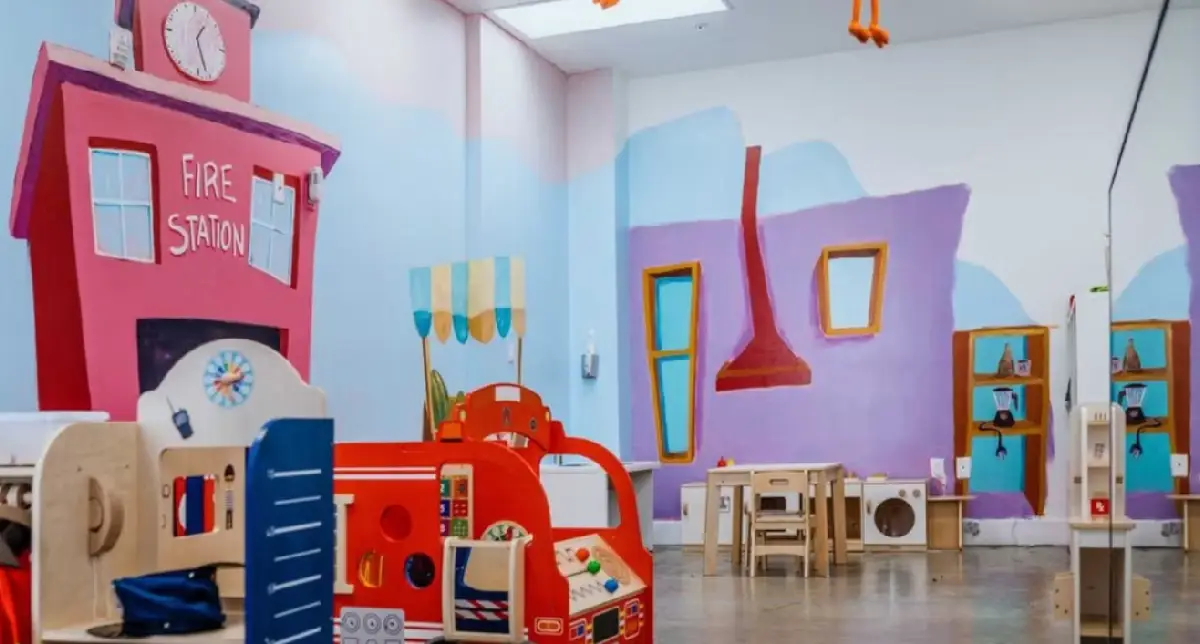
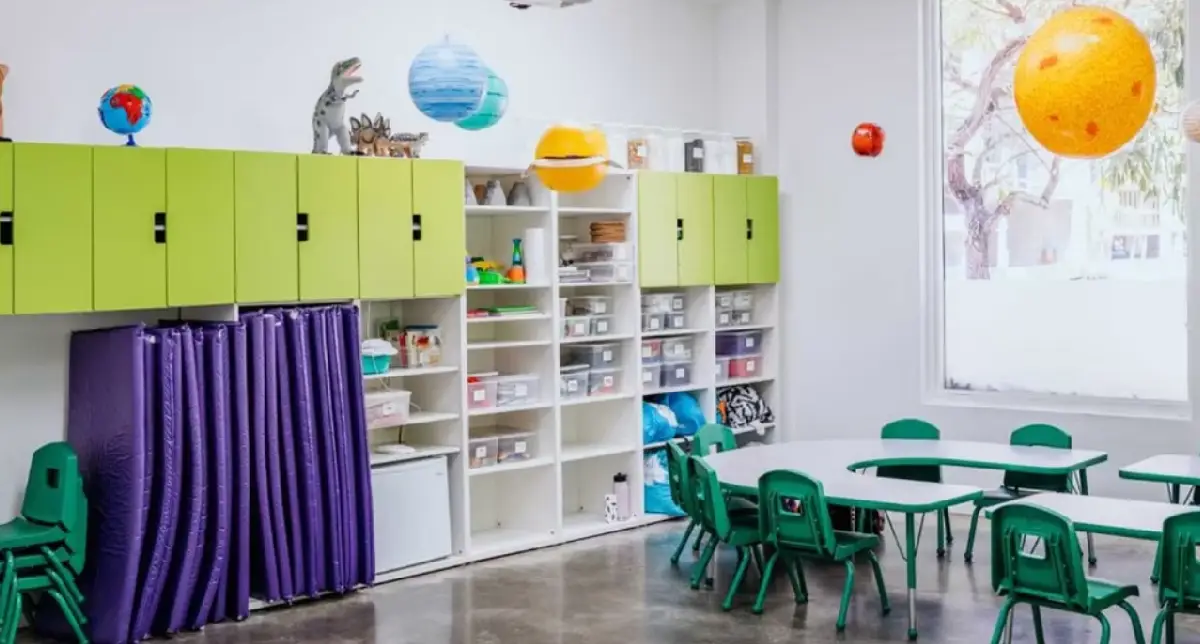
Images Roberto Salazar | project Aquamarine School
The most powerful lever most schools overlook is the classroom layout. Switching from static rows to flexible zones can raise participation, improve behavior, and make differentiation simpler, without buying expensive ed-tech.
Layout is pedagogy made visible; when furniture moves, mindsets follow.
Traditional rows optimize for direct instruction, but they fail to support today’s mix of collaboration, inquiry, and neurodiversity. Flexible seating meets these pain points by improving engagement through choice and reducing behavior flare-ups via clear traffic flows.
For the full framework, check out our complete guide on Educational Space Design.
The Zones Model: Your Layout Playbook
Use these five zones as a modular “kit.” You can scale up or down based on room size and budget.
1. Focus Nook (Quiet Work Zone)
A low-stimulus corner with acoustic backs and soft seating. It supports reading, testing accommodations, and students who need a lower sensory load.
- Starter Kit: 2–4 high-back lounge chairs or study carrels and a small rug to dampen sound.
- Watch-out: Ensure clear sightlines for supervision.
2. Seminar Circle (Discussion Zone)
Moveable chairs in a circle or U-shape for Socratic seminars and community building. This improves eye contact and reduces side conversations compared to rows.
- Starter Kit: 12–24 lightweight chairs with bump glides.
3. Studio Tables (Project/Maker Zone)
Counter-height tables for prototyping, science, and art. Standing options channel energy and speed up cleanup.
- Starter Kit: 2–4 counter tables on secure casters and mobile caddies.
4. Team Pods (Collaboration Zone)
Small groups (4-6 students) with shared displays for problem-solving. This makes roles and accountability visible.
- Starter Kit: Rectangular tables on casters (avoid hex shapes that trap students) and stackable stools.
5. Launch Pad (Direct Instruction Zone)
The only semi-fixed mini-zone oriented to the board. Keeps mini-lessons efficient without dominating the entire room.
- Rule: Cap square footage to 20–25% of the room.
Traffic Flow is Behavior Management
Great classroom layout reduces collisions and confusion. Map these routes before moving furniture:
- Main Loop: A 36–44" circulation path that allows a full circuit without dead-ends.
- Teacher Path: A clean line from the door to the Launch Pad and every zone within 3–5 steps.
- Service Spine: A direct path to storage and sinks; place Studio Tables here to contain mess.
Rollout in 4 Weeks (Without Chaos)
Don't change everything overnight. Use this phased approach:
- Week 1 (Observe): Track where bottlenecks and off-task behavior occur. Sketch your zones.
- Week 2 (Pilot): Introduce two zones (Seminar Circle + Focus Nook). Set norms and capture quick data.
- Week 3 (Build): Add Studio Tables. Train students on cleanup roles.
- Week 4 (Finalize): Deploy Team Pods and the Launch Pad. Publish a “Reset Map” for end-of-period routines.
Common Mistakes to Avoid
- Over-zoning: More than five zones fragments attention.
- Heavy Furniture: If students can’t move it, it’s just set dressing.
- No Reset Plan: End-of-period maps are non-negotiable.
- Color Overload: Keep a neutral base; use 1–2 accent colors for wayfinding.
Ready to transform your learning spaces?
Flexible seating requires a strategy, not just new chairs. AI Spaces helps schools design accessible, engaging layouts that fit your curriculum and budget.

More Articles to Keep Designing Your Workspace
Guides, inspiration and workspace ideas
.webp)


.webp)