Architecture
Design-Build vs. Traditional Build: Which Model Is Right for Your Next Project?

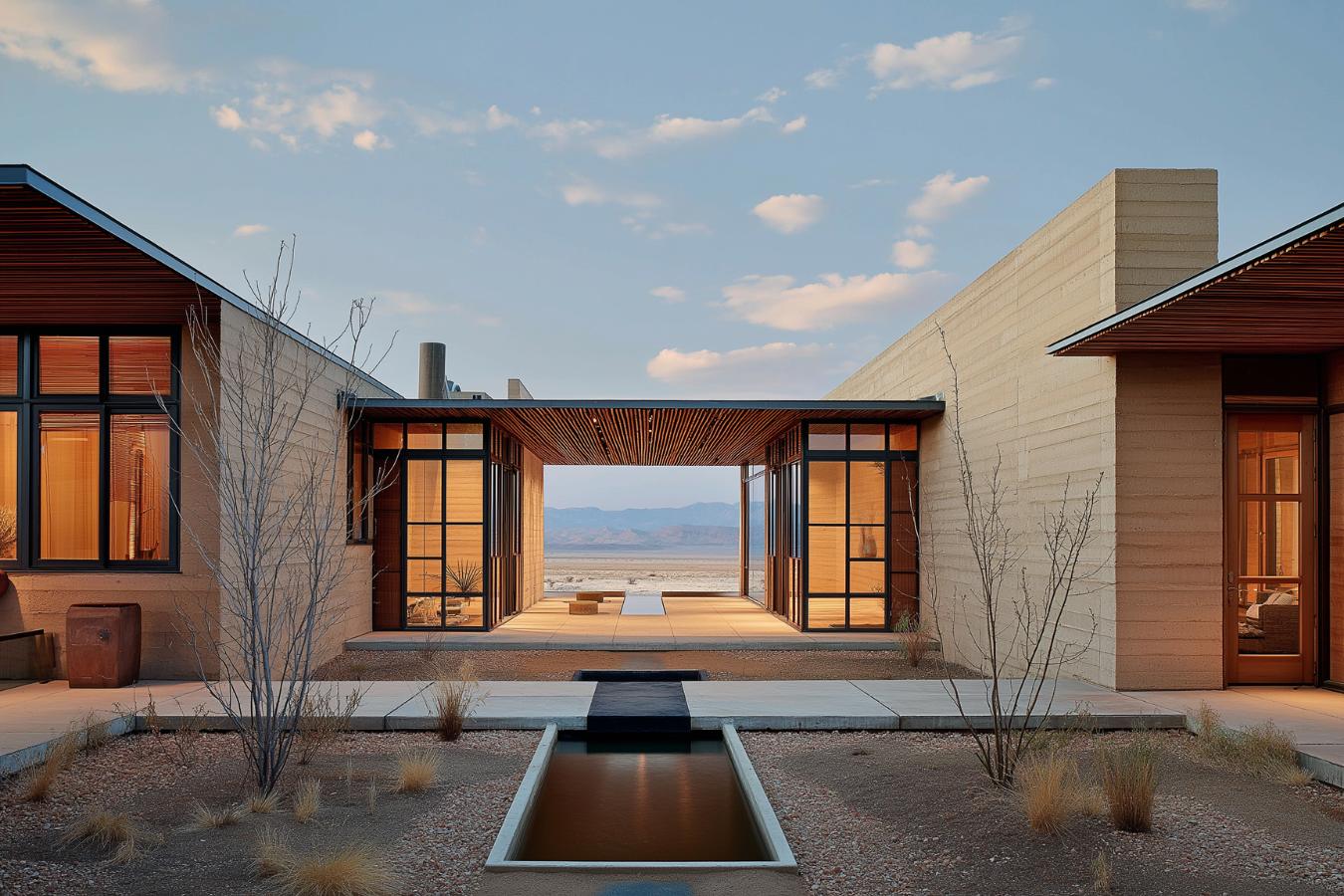
Images AI Spaces | project Rancho Colorado

Choosing between a design-build firm and a traditional design–bid–build team affects your budget, schedule, risk, and day-to-day decisions. It is the single most critical decision an owner makes before breaking ground.
Below is a comprehensive guide to help owners, developers, and teams weigh the trade-offs without the jargon.
For the full framework, check out our complete guide on Design-Build Services.
The Basics: What is the Core Difference?
Design-Build (DB): Puts design and construction under a single contract with one accountable team. It emphasizes collaboration, speed, and unified responsibility.
Traditional (Design–Bid–Build): Separates your architect contract from the general contractor’s. The GC bids on completed drawings. It emphasizes competitive bidding on a fixed set of documents.
Note: CMAR (Construction Manager at Risk) sits between these models, where the builder joins early for preconstruction but keeps a separate contract.
Comparison Table: At a Glance
How do these models stack up on the metrics that matter most?
| Feature | Design-Build (DB) | Traditional (Design-Bid-Build) |
|---|---|---|
| Contract Structure | Single point of responsibility (One contract). | Separate contracts for Designer and Builder. |
| Schedule | Faster. Overlaps design and construction (fast-tracking). | Linear. Design must be 100% complete before bidding. |
| Cost Control | Early cost certainty; reduced change orders due to internal coordination. | Lower initial bid possibility, but higher risk of change orders later. |
| Risk Allocation | Risk shifts to the DB entity. | Owner retains coordination risk between Architect and GC. |
| Change Orders | Minimal. Team resolves conflicts internally. | Common. Owner pays for design/field conflicts. |
Deep Dive: Cost, Budget & Risk
Which model is cheaper?
Neither is universally cheaper. Design-Build can lower total project cost through fewer change orders and earlier value engineering. Traditional can yield a lower initial bid when scope is stable and fully documented. The right choice hinges on your risk tolerance.
How are change orders handled?
In Traditional models, drawing clarifications often trigger formal change orders. In Design-Build, the integrated team resolves many issues internally. Changes still cost money, but the coordination overhead is lower and the turnaround is quicker.
Schedule & Procurement
Design-Build is faster. By overlapping design and construction (e.g., pouring foundations while finishing interior drawings), you shorten the timeline. It also allows teams to lock in long-lead items (steel, switchgear, HVAC) early to smooth out supply chain volatility.
Traditional is linear. You must finish the design to bid. This gives clear milestones but offers less opportunity for fast-tracking.
When to Hire a Design-Build Firm in 2025
You should choose the Design-Build model if:
- You have a fixed occupancy date or need a phased turnover.
- Your scope is evolving (e.g., tenant fit-out with uncertain headcounts).
- The supply chain is volatile, and early procurement matters.
- You want one single point of responsibility for cost, schedule, and quality.
- Your internal bandwidth for managing multiple contracts is limited.
When to Stick with Traditional
The Traditional path might serve you well if:
- Your scope is fully defined and unlikely to change.
- You need hard-bid competition on every line item.
- You have a dedicated internal team to manage the friction between architect and builder.

Need a clear delivery path?
Don't guess with your capital. We help clients run a fast delivery-method study to align contracts and set up open-book KPIs before spending real money.
Book a 45-minute consultation to pick your model with confidence.