Innovation
How to Create a Cozy Restaurant Interior That Guests Never Want to Leave

How to Create a Cozy Restaurant Interior
When it comes to restaurant interior design, the goal goes far beyond aesthetics—you're crafting an emotional experience. And if you're aiming for longevity in today’s hospitality market, there’s one atmosphere diners consistently return to: cozy.
A cozy restaurant interior isn’t just a trend—it’s a strategic move that blends warmth, intimacy, and comfort with thoughtful design. Whether it’s a dimly lit bistro, a Scandinavian brunch spot, or a rustic pizzeria, coziness invites guests to linger longer, order more, and return often.
At AI Spaces, we’ve seen how intimate, well-executed interiors outperform flashy concepts when it comes to brand loyalty and business longevity. Here’s how to build that atmosphere—with purpose.
For the full framework, check out our complete guide on Restaurant & Hospitality Interior Design.
1. Start With the Story
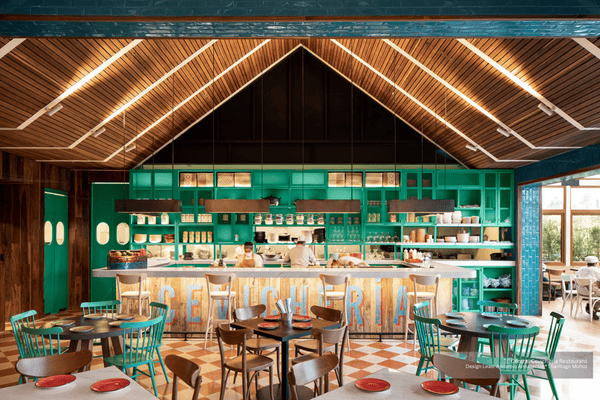
Every restaurant tells a story. A cozy interior isn’t standalone—it reflects your brand, your cuisine, and your values. Before touching tile or lighting, ask: What feeling should guests take home? Nostalgia? Calm? Adventure?
Once your story is clear, design becomes alignment. The palette, materials, layout, and even signage should echo that narrative. A strong concept leads to a seamless, comforting guest experience.
2. Warm Materials Matter
Texture creates comfort. Matte wood surfaces (oak, walnut, birch) bring warmth and authenticity. Upholstery in boucle, leather, or velvet invites people to settle in. Raw stone and exposed brick add a tactile, rustic elegance.
Use these textures on walls, seating, flooring, and shelving—steering away from overly glossy or sterile finishes. Matte finishes diffuse light and help soften the entire environment.
3. Lighting Is Everything
If coziness is a feeling, lighting is its primary messenger. Too many restaurants lose warmth by relying on bright, uniform lighting.
- Ambient lighting: soft, warm-toned (2700K–3000K)
- Accent lighting: sconces, pendant lights, table lamps
- Task lighting: practical, directed, but not harsh
Dimmers and filament bulbs add mood flexibility. Candles, even battery-operated ones, provide an intimate glow that guests associate with care and comfort.
4. Seating That Encourages Slowing Down
A cozy restaurant doesn’t prioritize fast turnover. Instead, it emphasizes hospitality and connection.
- Mix seating types—banquettes, booths, stools, and communal tables
- Ensure table spacing respects guest privacy
- Use upholstered seating that’s easy to clean yet deeply inviting
Even fine dining restaurants can feel cozy when the furniture encourages conversation and comfort.
5. Color and Contrast
Cozy doesn’t mean dark—it means grounded. Earth tones, soft neutrals, and rich accent colors create emotional resonance. Consider ochre, clay, forest green, navy, and warm beige.
Use contrast to create depth—darker floors, mid-toned walls, lighter ceilings—and layer with texture through art, linens, wood shelves, or fresh flowers.
6. Design for Acoustic Comfort
Sound matters more than you think. If guests feel overstimulated or can’t hold a conversation, they won’t linger.
We recommend:
- Upholstered walls or booths
- Acoustic ceiling panels in artistic shapes
- Heavy curtains or large textile wall art
Great acoustics add to coziness without being visible.
7. Bring in Nature (Even in Small Doses)
Humans are wired for biophilic comfort. A few plants or natural elements go a long way:
- Tabletop florals or dried arrangements
- Live plant walls or suspended greenery
- Natural wood tables or unpolished stone counters
Even urban spaces can evoke calm with a few intentional organic moments.
8. Let Personality Lead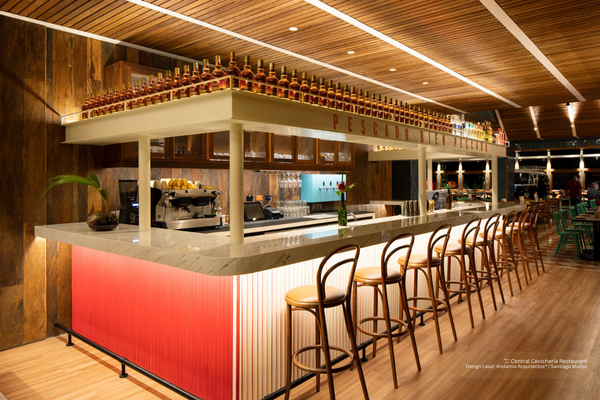
Coziness isn’t perfection—it’s presence. Add touches of soul:
- A bookshelf with cookbooks and local artifacts
- Framed vintage menus or food-focused art
- Handmade ceramic plates or mugs
- Chalkboard with quotes or rotating specials
These moments invite emotional connection and return visits.
9. Think Like a Guest
Walk through the space as a customer would—from the entrance to the restroom. Sit in every seat. Ask yourself: What feels welcoming? What feels overlooked?
Details make the difference—coat hooks, scent, soft music, friendly signage, and comfortable waiting zones all contribute to the overall mood.
10. Scale It for Your Brand
Coziness is scalable. It doesn’t mean rustic or dim—it means emotionally attuned.
- For fast casual: layered textures, warm wood, ambient lighting
- For fine dining: velvet, indirect light, soft acoustics
- For coffee shops: mismatched seating, quiet corners, window nooks
Your brand voice determines your cozy vocabulary. It’s the emotion that matters, not the style copy.
Cozy Is a Competitive Advantage
In the age of aesthetics, people crave depth. A well-designed cozy space becomes part of your brand identity—and a tool for retention, word-of-mouth, and profitability.
At AI Spaces, we design warm, emotionally intelligent restaurants that work as hard as your staff. And because we’re a design build firm, we bring that vision to life with seamless integration—unlike the fragmented traditional architect-contractor model.
Design Begins With Observation
Don’t call us just yet.
Instead—visit your favorite spot. Sit. Notice. Breathe.
Ask yourself: What do I feel here? And what would it take to create that in my space?
When you’re ready to build it—we’re already designing it.
Explore more at www.aispaces.ai or schedule your consultation today.