Innovation
Beyond the Move: 5 Corporate Relocation Trends Top Companies Are Using as a Strategic Advantage

Images AI Spaces | project NuVerse
Planning a corporate relocation in the next 12–18 months? Operations and finance leaders are no longer viewing relocation as a mere logistical shift. Instead, they are using it as a strategic lever to reshape talent pipelines, hybrid policies, and sustainability goals.
We analyzed the market to distill the top 5 corporate relocation trends for 2026, backed by real-world scenarios that show the Return on Investment (ROI).
1. The Shift to "Hub-and-Spoke" Footprints
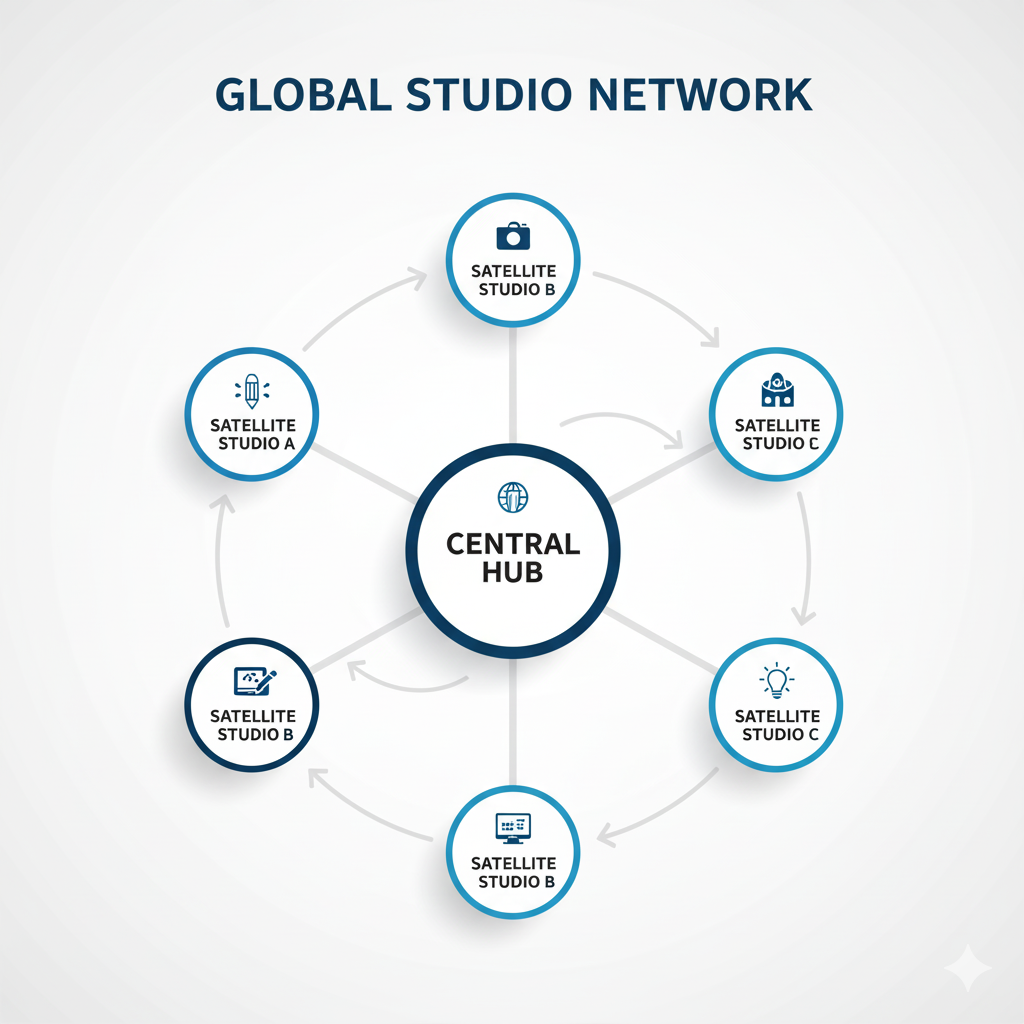
Gone are the days of the massive, singular headquarters. Companies are moving toward a model that pairs one flagship hub with smaller, strategic project studios.
Case Study: The Product Company Pivot
A hardware firm recently closed two underused leases to open a 30,000 sq. ft. flagship hub plus two smaller (6,000 sq. ft.) project studios near key clients. They shifted from 1:1 desks to "project neighborhoods."
- The Outcome: They reduced real estate costs per employee while shortening prototype cycles due to better shop adjacency.
2. Talent-First Site Selection
Smart companies are scoring cities based on role-by-role labor mapping, where the next 50 hires will come from, rather than generic tax incentives.
Case Study: Chasing the Pipeline
A consultancy firm chose a secondary city, not for the tax breaks, but for its strong university pipeline and direct flights to client markets. They co-located training spaces with HR to accelerate onboarding.
- The Outcome: Improved offer acceptance rates and faster time-to-productivity for new hires.
3. Hybrid-Ready Programming
Hybrid work reduces default seat counts but drastically increases the demand for collaboration and training spaces. The winning strategy involves trading individual desks for a mix of team tables, focus rooms, and multi-purpose forums.
Trend to Watch: High-ratio small rooms (2–4 seats) are becoming the new "private office," essential for video calls and deep focus work.
4. Sustainability Adjacency
Relocation is the fastest way to improve your ESG posture. Companies are prioritizing proximity to electrified transit and buildings with lower-carbon grids.
This isn't just about optics; it's about attracting a workforce that values sustainability and offering active commuting options like secure bike rooms and showers.
5. Incentive Timing & Performance
The structure of incentives is changing. Leaders are negotiating performance-based agreements tied to headcount and payroll phasing rather than rigid move-in dates. This aligns the financial benefits with the actual speed of business growth, reducing risk.

Planning Your Timeline
A realistic timeline for a mid-size relocation is 9–14 months door-to-door. This includes site selection, design, permitting, and the build-out. Attempting to compress this without a "warm shell" or long-lead items already released is a primary cause of budget overruns.
Ready to de-risk your relocation?
Don't just move, upgrade your business model. AI Spaces helps Core Business leaders run a two-week Relocation Readiness Sprint, covering city scoring, hybrid programming, and risk mapping.

More Articles to Keep Designing Your Workspace
Guides, inspiration and workspace ideas