Architecture
Architect vs. Interior Designer: Who Does What (and When You Need Both)
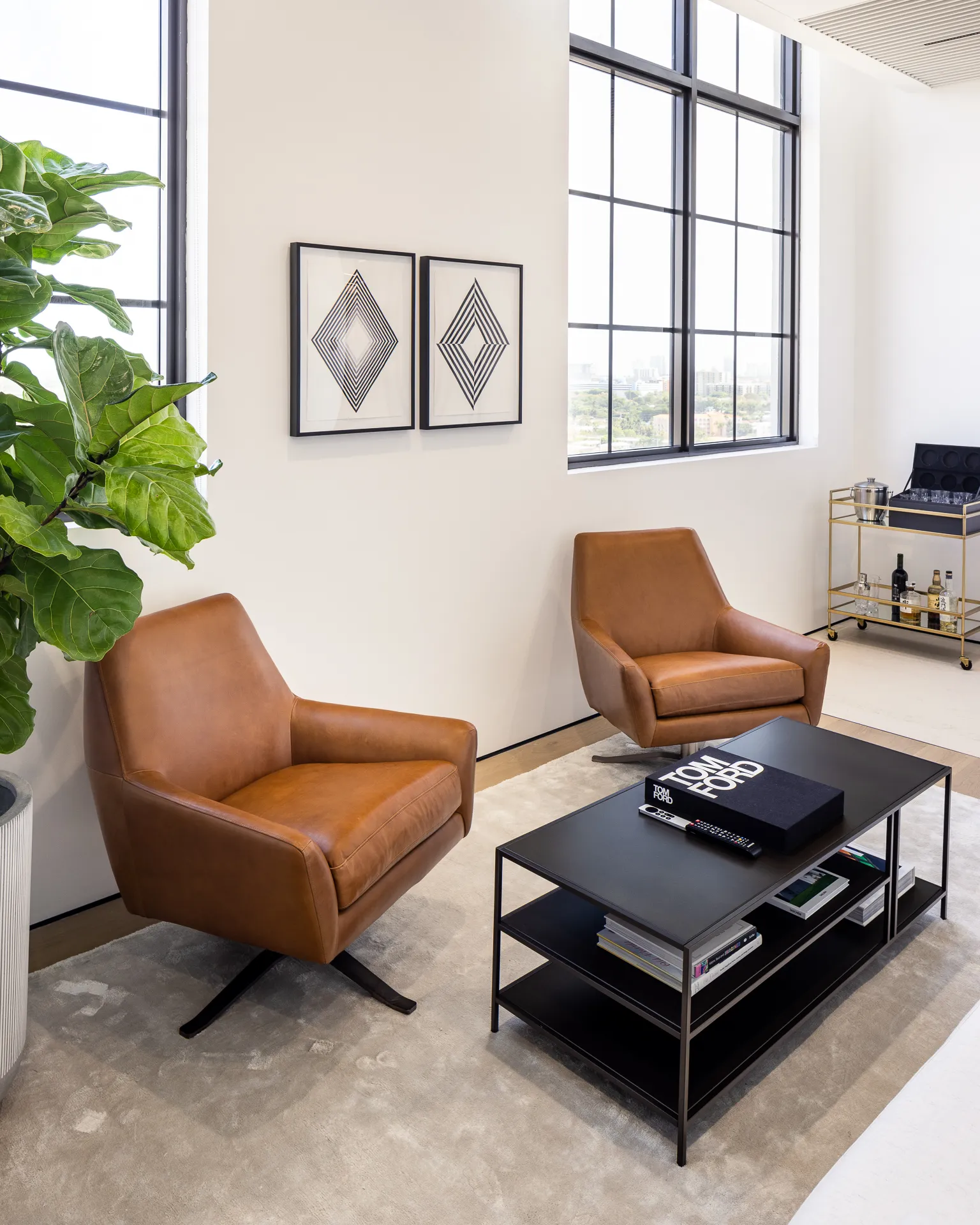
Images AI Spaces | project Black Salmon
Choosing between an architect and an interior designer can be confusing, especially if your project touches both structure and style. This guide clarifies the difference between architecture vs. interior design, explaining who handles what, when their roles overlap, and how collaboration can prevent budget overruns.
The Short Answer: Architects focus on a building’s structure, safety, and code compliance. Interior designers shape how those spaces look, feel, and function for the people inside.
Quick Comparison: Architecture vs. Interior Design
| Criteria | Architect | Interior Designer |
|---|---|---|
| Primary Focus | Structural design, spatial planning, building systems (shell & core). | Aesthetic, human function, finishes, and furnishings (FF&E). |
| Deliverables | Construction documents, code compliance, elevations. | Color schemes, lighting plans, material specs, furniture schedules. |
| Engage When | Building new structures, major remodels, adding square footage. | Renovating interiors, improving user experience, selecting materials. |
| Best For | Technical integrity and safety. | Aesthetic cohesion and experience. |
For the full framework, check out our complete guide on How to Choose a Commercial Interior Design Firm.
Understanding Their Core Roles
What Architects Do
Architects are trained to design the structure. Their work includes analyzing site constraints, defining the building envelope, and coordinating mechanical, electrical, and plumbing systems.
Pain points they solve: Avoiding costly rework due to code violations, ensuring ADA/fire safety, and maximizing site potential within zoning limits.
What Interior Designers Do
Interior designers focus on how a space feels and functions. They handle ergonomics, workflow, and the emotional experience of the user.
Pain points they solve: Poor acoustics, lighting fatigue, brand inconsistency, and procurement delays due to mis-specified finishes.
When You Need Both
Most commercial and high-end residential projects benefit from collaboration. You likely need both when:
- Form and Function Intersect: Like restaurants or hotels where the layout drives revenue.
- Structural Changes Meet Experience: E.g., Transforming an office into a wellness-driven workplace (moving walls + acoustic comfort).
- Brand Experience Matters: When the physical space must tell a story as much as it must meet code.
Real-World Example: A cohesive architect–designer team can cut design time and reduce change orders by clarifying intent early, saving thousands in potential conflicts.
Decision Tree: Who to Hire First?
- New construction or addition? → Start with an Architect.
- Interior renovation, no wall moves? → Hire an Interior Designer.
- Commercial or hospitality project? → Hire Both (ideally under one contract).
- Unsure? → Consult a Design-Build Firm that provides both disciplines.
Common Overlaps (and How to Avoid Friction)
Friction happens when roles aren't defined. Here is how to manage the gray areas:
- Space Planning: Set adjacency priorities together early.
- Lighting Design: Use shared lighting intent documents to avoid over-specified circuits.
- Material Selection: The Architect signs off on performance; the Designer signs off on aesthetics.
Final Takeaway
Architecture and interior design aren’t competing, they’re complementary. Hiring both can elevate your project’s functionality and ROI while minimizing rework.
Thinking about your next project? Reach out for a complimentary scope alignment session so we can connect you with the right talent for your goals.

More Articles to Keep Designing Your Workspace
Guides, inspiration and workspace ideas